 Nic Dunn, CEO, Charle Agency

What Generative Engine Optimisation Actually Is
GEO is the practice of structuring your site, your product data and your off-site presence so AI engines name your brand in the answers they generate. That is the whole of it. Everything below is detail about doing it on an ecommerce store and telling whether it worked.
The discipline is spelled generative engine optimization in most documentation you will meet, including Google's and Bing's, and that spelling is what the tools and the research use. UK teams write optimisation and mean the same thing. You will also see AI SEO, AI EO, answer engine optimization or AEO, and large language model optimisation. As of early 2026 no agreed academic distinction separates those labels, which tells you how young the field is rather than how many disciplines it contains.
Why the ecommerce version is a different job
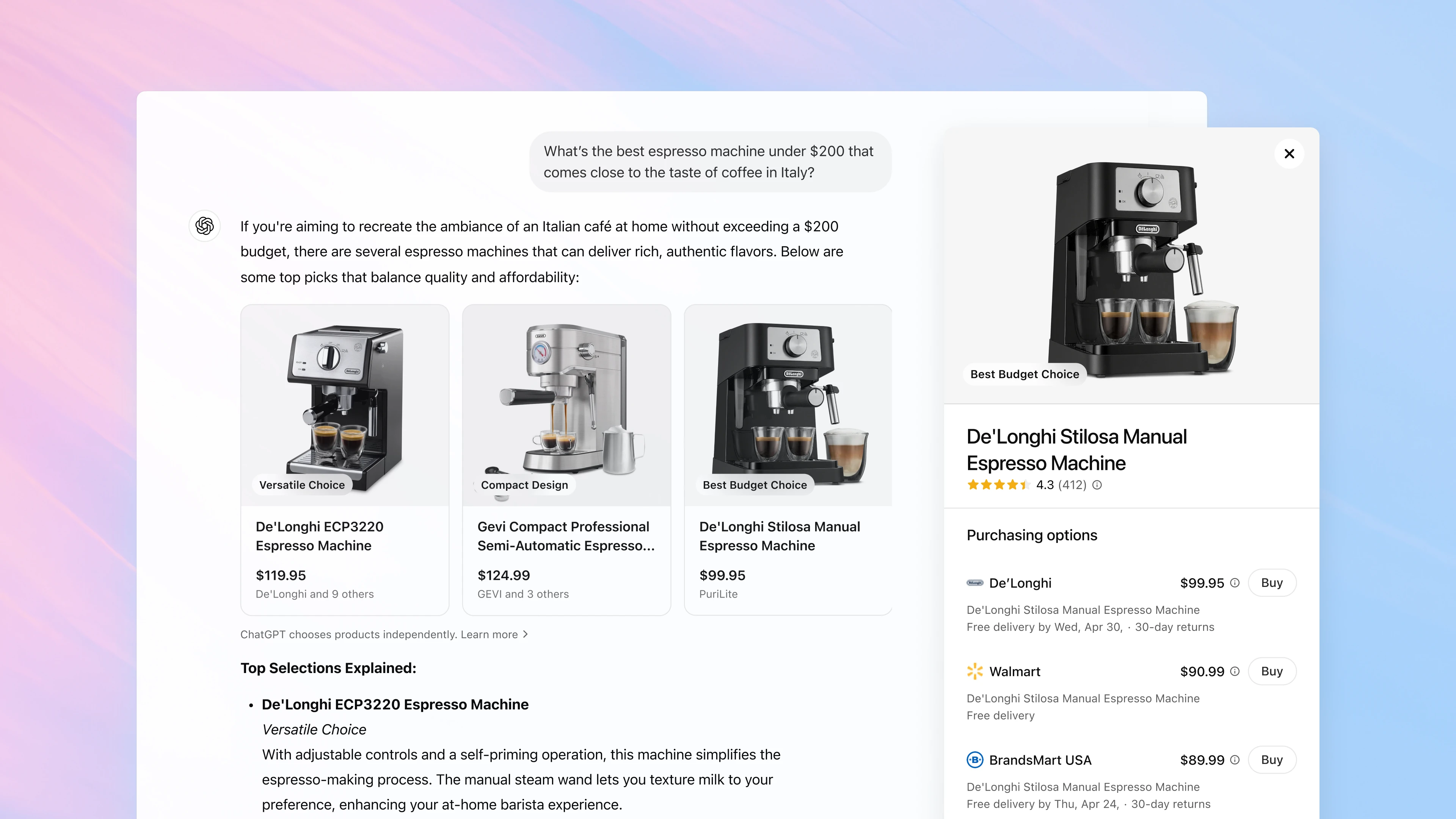
Most writing about generative engine optimization is aimed at publishers, where an article gets cited or it does not. Ecommerce brands have a second surface publishers lack: a catalogue. Every product carries attributes, a price, a stock state and images, and AI systems read all of it before a shopper reaches your homepage. Two brands can publish identical content and see completely different visibility, because one has a clean catalog and the other has forty percent of its material and size fields empty.
That is the part of GEO ecommerce teams own and publishers do not, and usually the part nobody is accountable for. Product data sits with merchandising, content sits with marketing, and the gap between them is where AI visibility goes missing.
Where Google and the sceptics disagree
Google's 2026 documentation on generative AI features takes a firm line: optimising for generative AI search is optimising for the search experience, and is therefore still SEO. Bing's guidance uses the term generative engine optimization directly, while being clear that ordinary search engine fundamentals make a page eligible in the first place. Forrester analyst Nikhil Lai landed nearby, describing the practices as significantly but not fundamentally different from SEO, and noting that vendors have an obvious commercial interest in exaggerating the gap.
They are broadly right about the inputs and broadly wrong about the consequences. GEO work looks like SEO. The scoreboard does not.
How AI Engines Choose Which Brands To Name
An AI answer is assembled, not retrieved. The model reads the query, decides what it knows and what to look up, then writes one response. Three mechanisms feed it, and treating AI search as a single thing leads you to fix the wrong problem.
Training data, live retrieval and cached answers
Some answers come from training data. The model knows what it knows, the cutoff is often close to a year old, and nothing you publish this quarter changes it. Gemini 3 shipped in November 2025 with a cutoff roughly eleven months before release.
Others come from live retrieval. AI engines run a search at query time, fetch pages and summarise them. This behaves much like classic search engines, and it is the mechanism you influence quickly, because a corrected product page is visible to the next query.
A third layer is caching. When a query is asked repeatedly and a model grows confident, it may lean on a validated answer rather than fetching afresh. Monitoring which priority queries return citations tells you which mechanism you face.

What trust looks like to a model
AI engines cross reference. If your product pages say one price, your Google Shopping feed says another and a retailer listing says a third, the safe move for a system optimising to avoid being wrong is to name a competitor. Consistency is the difference between a usable source and an ambiguous one.
Research suggests this rewards genuine quality rather than tricks. The E-GEO study on arXiv built the first ecommerce GEO dataset from 13,747 realistic consumer product queries paired with ten Amazon listings each, then tested five generative engines against fifteen rewriting heuristics. Red-teaming their own system, the authors found the gains came from real content improvement rather than manipulation.
GEO vs Traditional Search Engine Optimisation
Traditional SEO competes for a position in a list. Ten results exist, and moving from four to two is an incremental win. GEO competes for inclusion in a paragraph. There is no position two. Your brand is named or absent, and the shopper never sees the eight competing brands considered.
That structural difference changes the economics. The ecommerce SEO statistics most often quoted put click-through rate roughly a third lower when an AI Overview sits above a result, so the same ranking yields materially less digital traffic. Visibility did not disappear, it moved into the answer.
The inputs mostly carry over. Crawlable pages, clean information architecture, credible mentions, accurate structured data and content demonstrating real expertise feed both search engines and AI systems. If your Shopify SEO foundations are sound you are a long way into generative engine optimization already. What is usually missing is not a new tactic but product data discipline and a different set of numbers on the dashboard.
The practical test: if your content strategy is a list of keywords and a publishing calendar, it is an SEO strategy wearing a GEO label. If it starts with the questions your audience asks and the product information needed to answer them, it is both.
On Site GEO For A Shopify Store
This is where brands pull ahead, because almost every published guide to generative engine optimization stops at generic advice about clarity and structured data. Here is what a GEO strategy means on the platform itself.
Product pages and structured data
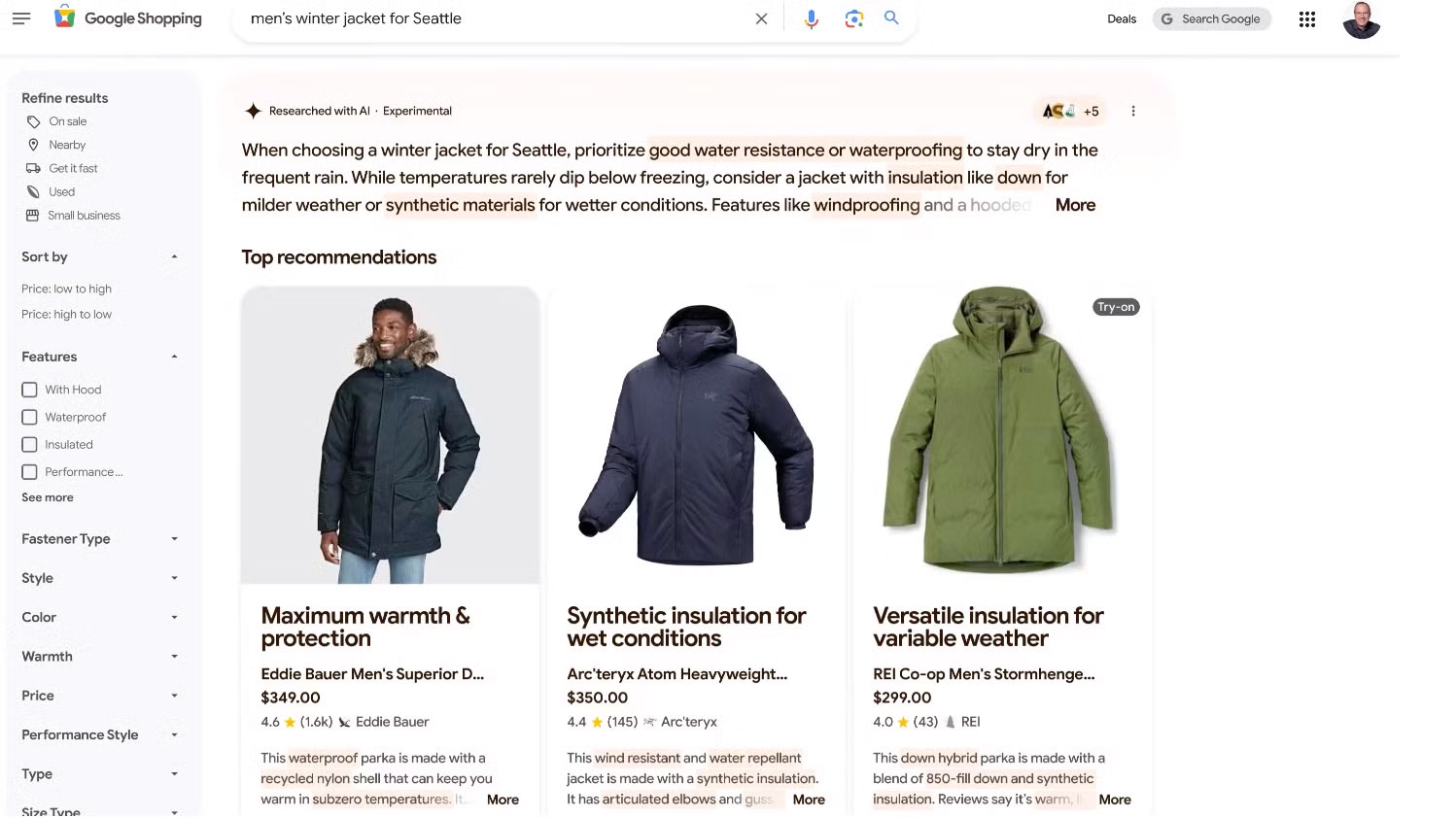
Each product page should state plainly what the product is, who it is for and how it differs from the alternatives a shopper is weighing. Write the differences down rather than implying them through imagery. AI engines cannot infer that your jacket is warmer than a competitor's from a lifestyle photograph, but they can read a fill power and a tested temperature rating.
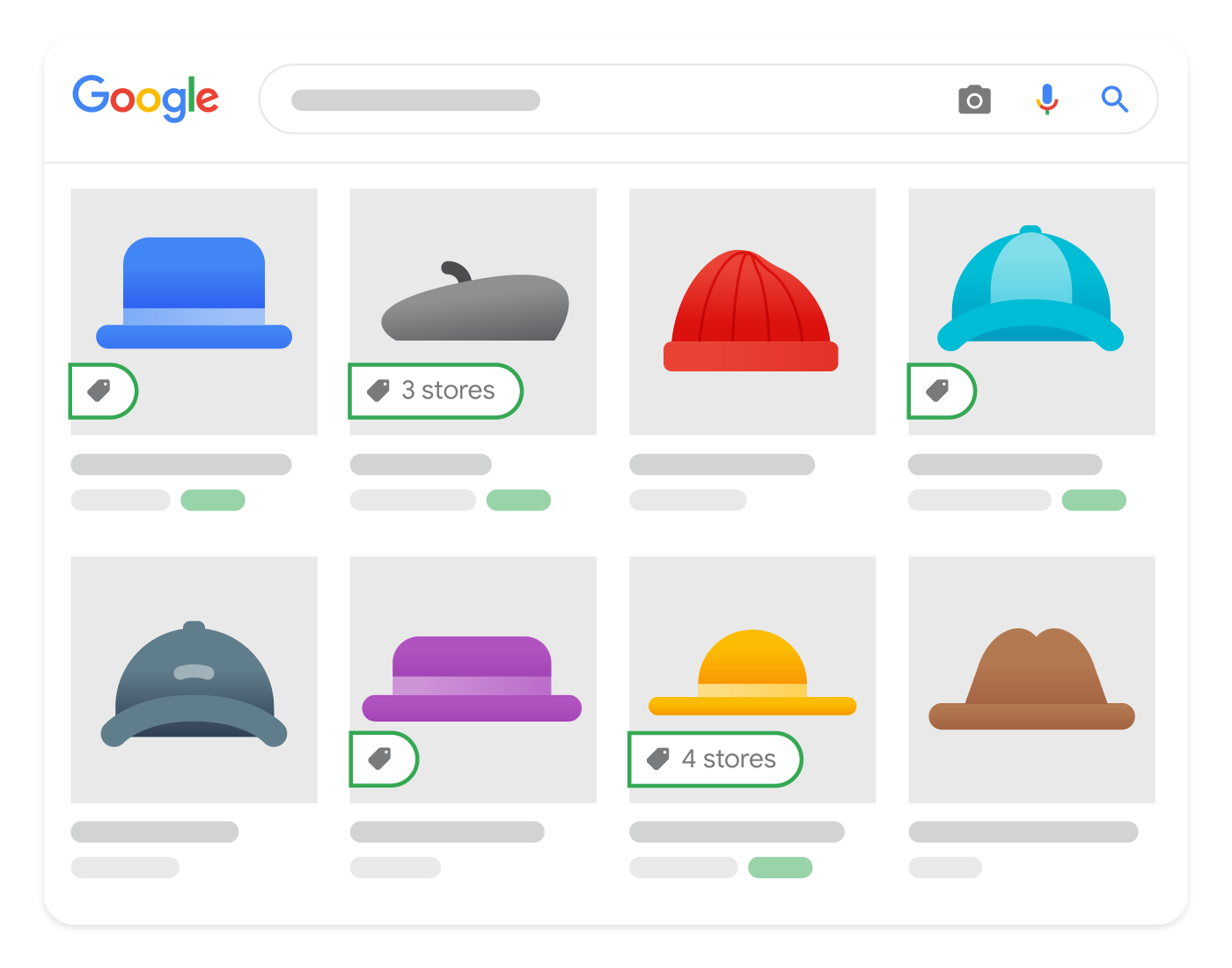
Most Shopify themes emit basic Product JSON-LD, and most of it is thinner than it looks. Check that brand, GTIN, material, colour, size and condition are populated, and that Offer carries price, currency and availability matching the page. Shopify's product template documentation shows where this lives in a theme, and our guide to adding schema to Shopify covers implementation. Markup contradicting the visible page is worse than none, because it creates the ambiguity you are trying to remove.
Collections, metafields and attribute completeness
Collection pages teach AI engines your catalogue's shape. A collection called Winter with no description teaches nothing. One with a written introduction, consistent filters and fully populated product attributes teaches an engine you sell insulated outerwear rated to minus ten, the kind of specific claim that gets brands named in an answer about cold weather kit.
Metafields are the mechanism most stores underuse. Every attribute a shopper might filter or ask about belongs in a structured metafield rather than buried in description copy, then surfaced in both the visible pages and the markup. Unglamorous data work, and it consistently outperforms publishing more content.
Feeds, Merchant Center and the agentic layer
Your Google Merchant Center feed is a machine-readable statement of your catalog, and Google's guidance names Merchant Center and Business Profiles as levers for product visibility inside AI responses. Treat the feed as a first-class surface rather than a paid shopping channel, and reconcile it against your product pages on a schedule.
Further out, agents are starting to act rather than answer. Protocols such as the Universal Commerce Protocol let an agent read a catalogue, compare specifications and in some cases transact, and Google now publishes guidance on making a site agent-friendly. Our piece on agentic commerce covers where that is heading. Everything making a store legible to AI engines also makes it legible to an agent, so the preparation is the same work.
Off Site GEO, Citations And Reviews
AI engines do not take one website's word for anything. They cross reference the web to confirm a brand exists, is described consistently and is regarded as credible. Citations here are references to your brand or products on external pages, and unlike backlinks they do not always need a link to count.
For ecommerce brands a handful of high quality citations outperforms volume. A mention in a respected industry publication, an accurate retailer listing or a place in a well-researched roundup beats fifty directory entries. What matters is that the information describing your products matches across all of them.
Reviews and user generated content
Reviews are unusually valuable to AI engines because they are other people describing your products in the language shoppers use. Models read them at scale for sentiment, recurring complaints and genuine use cases, and structured review data from Yotpo or Okendo makes that content machine-readable rather than merely visible. Recency beats volume: thirty detailed reviews from the last six months beat four hundred one-line ratings from 2022.

Content That AI Engines Actually Quote
The instinct to publish more content is the wrong response to generative search. AI engines are not short of content. They are short of sources answering a question cleanly enough to quote without rewriting, which is why a GEO content strategy is about editing more than volume.
Answer first, elaborate second
If a heading asks a question, the sentence underneath should answer it. Not context, not a preamble about shifting digital retail trends, the answer. Everything after the first two sentences can be nuance. This single habit does more for extractability than any amount of formatting, and it makes the content better for humans in a hurry.
Start from prompts rather than keywords. Your audience does not type best running shoes into ChatGPT, they ask which trainers suit a beginner marathon runner with wide feet. Comparison content, buying guides and honest FAQ answers map onto that shape of query far better than keyword-led category copy, and they hold up in classic search engines too.
Recency is doing more work than you think
Seer Interactive's testing found most AI citations pointed at content published or updated within the previous six months. Combined with the training cutoff lag above, freshness becomes a genuine input to the ranking algorithm rather than an administrative chore. Refreshing figures, dates and examples on your strongest pages returns more than publishing new content, which is why this guide carries a visible last-updated date.
Back every meaningful claim with a number, a named example or a source. Generic assertions about market trends are not quotable. A figure with a date and an origin is, and it is what separates content that survives competition for a citation from content that does not.
Measuring GEO Performance
Rankings and click-through rate stop being useful. Ask the same question twice and you may get two different answers, so no stable position exists to track. Three things are worth measuring instead, and Seer Interactive's framing of them as being seen, being believed and being chosen keeps them straight.
The three numbers worth tracking
Mention rate is how often your brand appears in AI answers across the queries your buyers genuinely ask. Pick thirty to fifty prompts, run them on a schedule, record presence. Peec.ai and Profound automate this and add competitor comparison.
Accuracy is how correctly you are described when you appear. Score it by hand against a short rubric covering product range, price band, positioning and availability. This metric exposes stale content faster than anything else, and no AI visibility dashboard computes it for you.
Attributed outcome is sessions and revenue from AI referrers, which arrive in GA4 as chatgpt.com, perplexity.ai, gemini.google.com and similar. Segment them in your analytics, watch assisted conversion rather than last click, and expect engagement from this channel to be small in volume and unusually high in intent.
Free data most teams are not using
Google Search Console now includes a performance report covering generative AI features, showing how your content surfaces there. Bing Webmaster Tools has an equivalent AI Performance report. Both are free first-party analytics, and between them they cover a meaningful share of AI answer traffic before you spend anything on monitoring. No tool reports what a model says from training data, so a quarterly manual audit of how the major AI platforms describe your brand remains necessary.
Common GEO Mistakes
The most expensive mistake is treating generative engine optimization as a content problem. Automation cannot repair unclear product descriptions, conflicting prices or a catalogue with empty attribute fields, and no volume of content compensates for a data layer AI systems cannot read.
The second is inconsistency across sources. Differences between product pages, feeds, reviews and retailer listings make AI systems cautious, and cautious engines name other brands. Pick one source of truth for your products and reconcile everything to it.
The third is buying a tracking tool and calling it a GEO strategy. The 2026 shutdown of the startup Lorelight made the point for the category: knowing where your brand appears is not the same as changing it. Aleyda Solís has argued that the useful move is folding AI search data into a broader search strategy rather than running a separate programme with its own dashboard and budget.
What We'd Fix First If This Were Our Store
Here is the ordering we use, and it is deliberately unfashionable: product data before content, every time. When we started working on AI visibility for a homeware client in early 2026, the obvious move looked like a run of buying guides. We audited the catalogue first and found 38% of products had no material metafield, and roughly a fifth carried a dimension in the description body but nowhere structured. Fixing that across 600 SKUs took three weeks and no writing at all. Mentions in AI answers for material-specific queries moved before a single new article went live.
So we think product data beats publishing, because AI engines can only repeat what they can parse, and most catalogues are not parseable in the detail a comparison question needs. Content still matters. It earns more once the catalogue underneath it is solid.
On the bigger argument, we think Google is technically right and practically misleading in saying this is all still SEO. The inputs really are the same. But telling an ecommerce director nothing has changed invites them to keep reporting the same numbers, and those numbers now measure a shrinking share of how their audience finds products. A team updating the work but not the scoreboard will look fine on a dashboard while quietly losing the buyers who never reach a results page.
We would also push back on treating GEO as a separate budget line. Every brand that has asked us for a standalone retainer was already paying for most of it elsewhere. Our GEO work usually starts as an audit of what existing search and merchandising effort already produces, and the first quarter is about redirecting it rather than adding to it. To talk through your catalogue, get in touch with our team.