 Nic Dunn, CEO, Charle Agency
Is Selling on Not On The High Street Worth It?
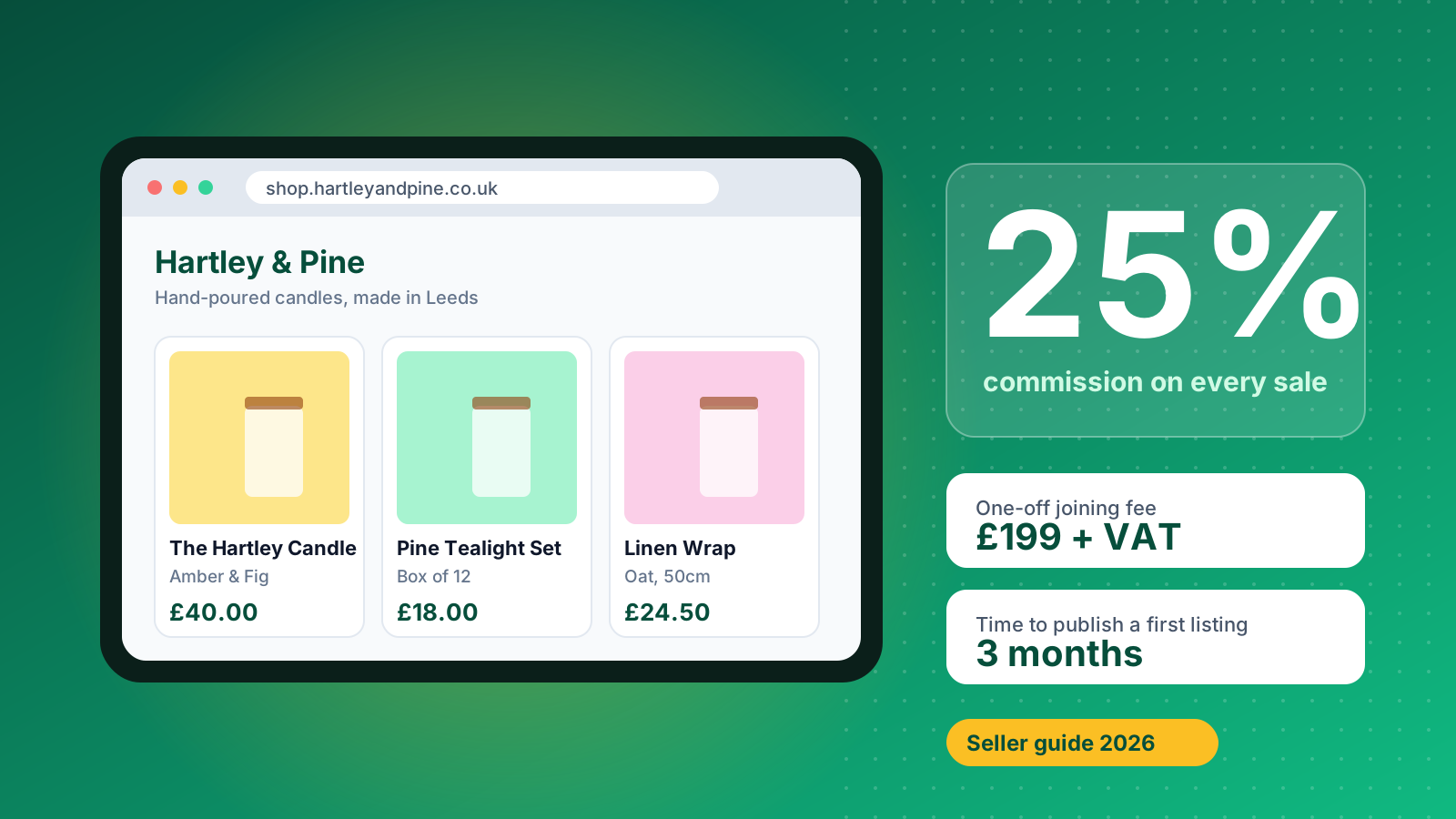
For the right product, yes. NOTHS launched in 2006 and says more than 5,000 small businesses sell on it, with around 100 million annual views across its website and app. That is reach most independent sellers could not buy on their own, and it brings thousands of gift-minded visitors to your products.
The trade-off is cost and control. Sellers pay a one-off joining fee and 25% of every sale, the marketplace owns the customer relationship, and every business plays by rules NOTHS sets. Gift-led, distinctive products with healthy margins suit it well, from jewellery and homeware to stationery and accessories. Commodity products and thin margins do not.
Think of it as a paid acquisition channel with a curated shop window. Sellers who go in with that mindset and a clear margin plan can add a meaningful slice of revenue to their business. A business that treats NOTHS as its only storefront inherits all of the marketplace's risk.
How Much Does It Cost to Sell on Not On The High Street?
Published seller guides put the one-off joining fee at £199 plus VAT (£238.80), with commission of 25% on each sale. There is no per-listing fee, and NOTHS's seller FAQs say there is no annual renewal fee. NOTHS does not state the amounts on its main recruitment page, so confirm current terms when you apply.
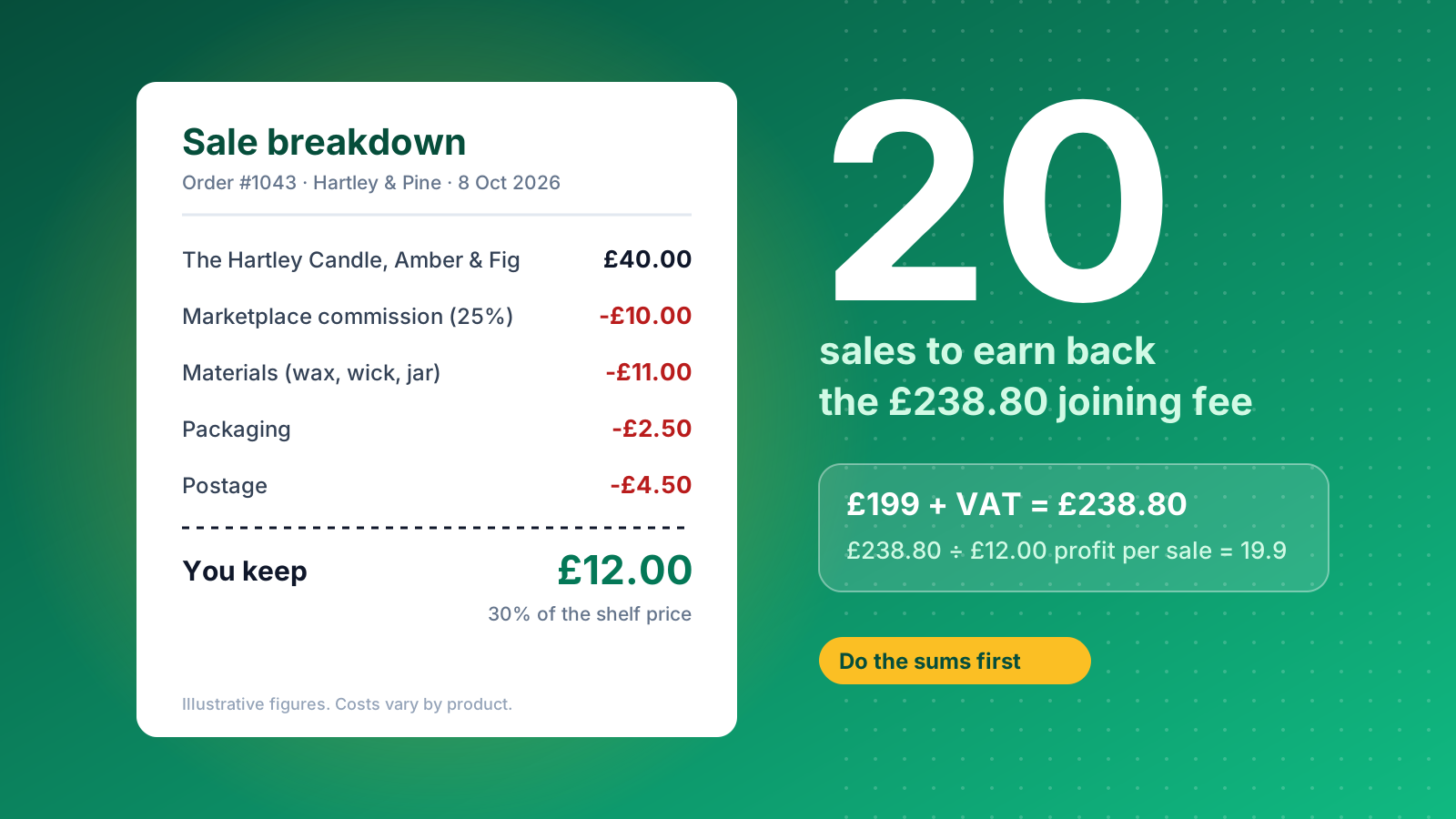
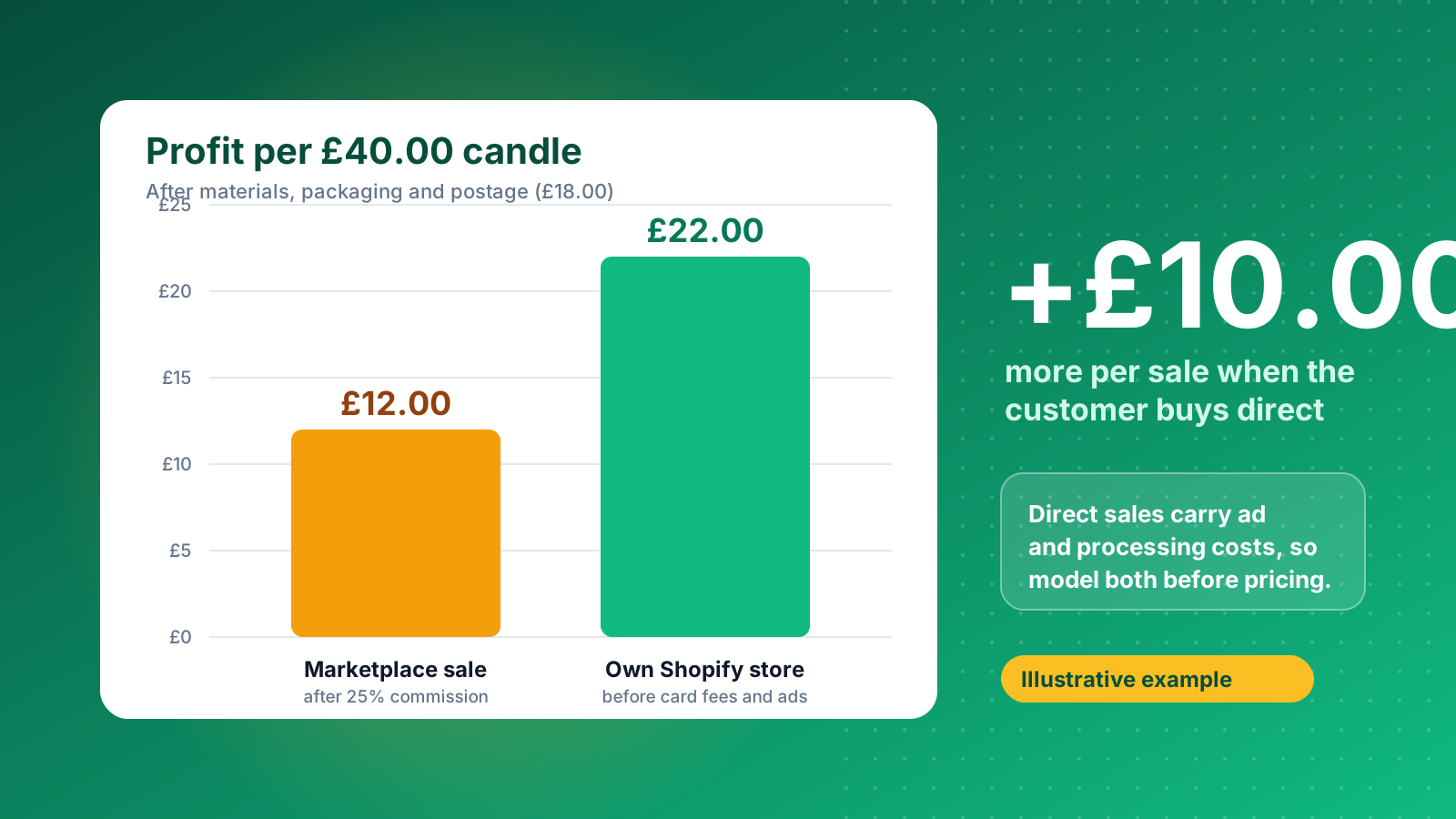
Here is what that looks like in practice. A candle retails at £40.00. Commission at 25% is £10.00, which leaves £30.00. Materials cost £11.00, packaging £2.50 and postage £4.50, so you keep £12.00, or 30% of the shelf price.
Sold through your own Shopify store, the same candle leaves £22.00 before card processing fees and advertising. That gap of £10.00 per sale is the real price of the marketplace's audience and curation.
Work out your break-even before you pay the joining fee. At £12.00 profit per sale, you need about 20 sales to earn back £238.80. If your own margin is thinner than that example, the number climbs quickly.
Who Can Sell on Not On The High Street?
NOTHS is selective by design. Every seller is hand-picked, and each application is reviewed within a few days. The main eligibility rule is geographic. NOTHS's seller FAQs say applicants must be registered and trading in the UK or Northern Ireland, while some seller guides mention Republic of Ireland addresses too. Businesses based elsewhere, including the US, cannot apply, so check eligibility before you create a seller account or pay anything.
NOTHS lists five things it looks for in a partner:
- Products that delight customers: distinctive items people are pleased to receive
- Crowd-pleasing gifts: broad appeal rather than a very narrow niche
- Ambition: a hobby you want to grow into a proper business
- Good value: not the cheapest, but worth the price, with extras such as free delivery or attractive packaging
- Excellent customer service: fast replies and reliable delivery
Seller guides also report that NOTHS turns down products too similar to existing listings. Variety within your range and a clear point of difference both help.
How to Get Accepted
Most sellers who miss out fall down on the same few things, and you can fix all of them before you apply.
Research the competition. Search the site for your product type. Note how many similar products exist, what they cost and how competitors photograph them. If your product looks like ten others, change the product or the angle before you apply.
Photograph for the platform. NOTHS says lifestyle photos showing products in use perform better than plain white backgrounds or mannequin shots. Strong, well-lit main images also attract buyers once you are live, so budget for a photographer if your own photos are weak.
Tell your story. Applicants write a short description of their vision and how they make their products. Be specific about materials, process and who the product is for. Make your photos easy to view through your website, social media profile or a photo-sharing link, and complete the application form in one sitting.
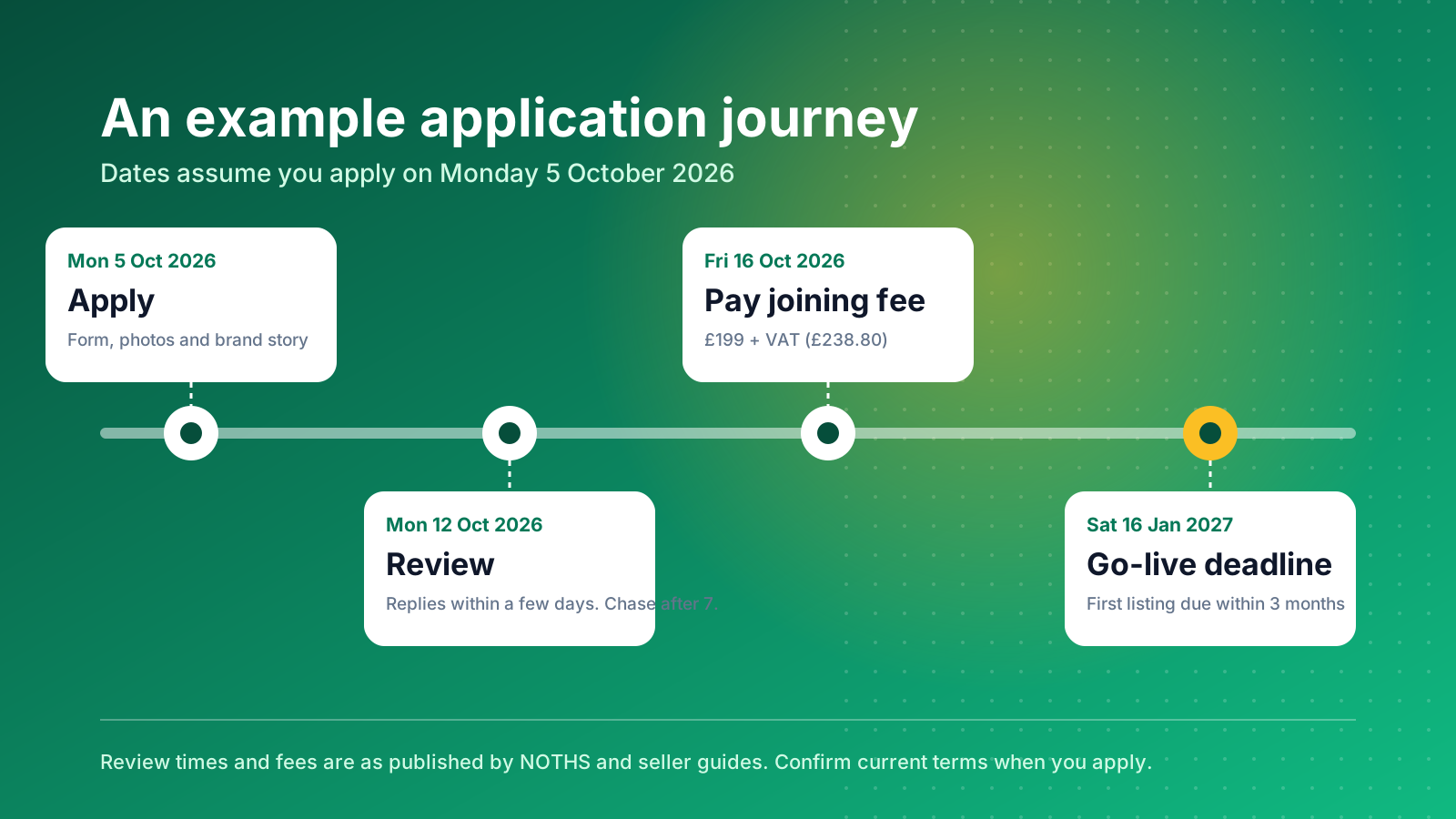
Keep to the timeline. After you pay the joining fee, you have three months to publish your first listing. If you hear nothing, NOTHS asks you to wait at least seven days before following up. Rejected applicants can often reapply, so treat a no as feedback.
Tips for Selling Once You Are Live
Offer personalisation. Names, messages and year-round gift wrapping suit a gift-led marketplace and set you apart from similar listings.
Build reviews deliberately. Word of mouth drives success on any marketplace. Dispatch fast, pack well, state delivery and returns information clearly and follow up after delivery so happy customers leave feedback.
Use upsells carefully. A free-delivery threshold or a spend-based discount can lift basket size without overwhelming the shopper.
Use social media with focus. Pick one channel, such as Instagram, show the making process and not only the finished product, and engage with other small brands rather than broadcasting.
Keep your range varied. NOTHS favours distinctive ranges, so add products that complement each other instead of copies of your bestseller.
Why Marketplace Sales Should Not Be Your Only Channel
A marketplace gives you traffic you do not have to earn, and it keeps most of the relationship in return. Shoppers search NOTHS, not your brand, so a repeat purchase can mean paying 25% again for a customer you already won. Marketplace visitors are loyal to the platform first and to your brand second.
Check NOTHS's seller terms on contacting buyers and on what you can include in a parcel before you plan any retention activity. Where the rules allow it, a branded packing slip or insert that points to your own store turns a one-off marketplace sale into a direct customer.
Your own Shopify store is where your business controls price, customer data and experience. It is also where email, SMS and organic search compound over time. A strong Shopify SEO foundation means shoppers who find you on NOTHS can find you again on Google.
As a rule of thumb, if your margin before marketplace fees is under about 40%, a 25% commission leaves very little. In the candle example, costs are 45% of the shelf price, which is why the profit drops to 30%.
Running NOTHS Alongside Your Shopify Store
Most sellers that do well on NOTHS also run a strong direct store. Four practical points keep the two sales channels from tripping over each other.
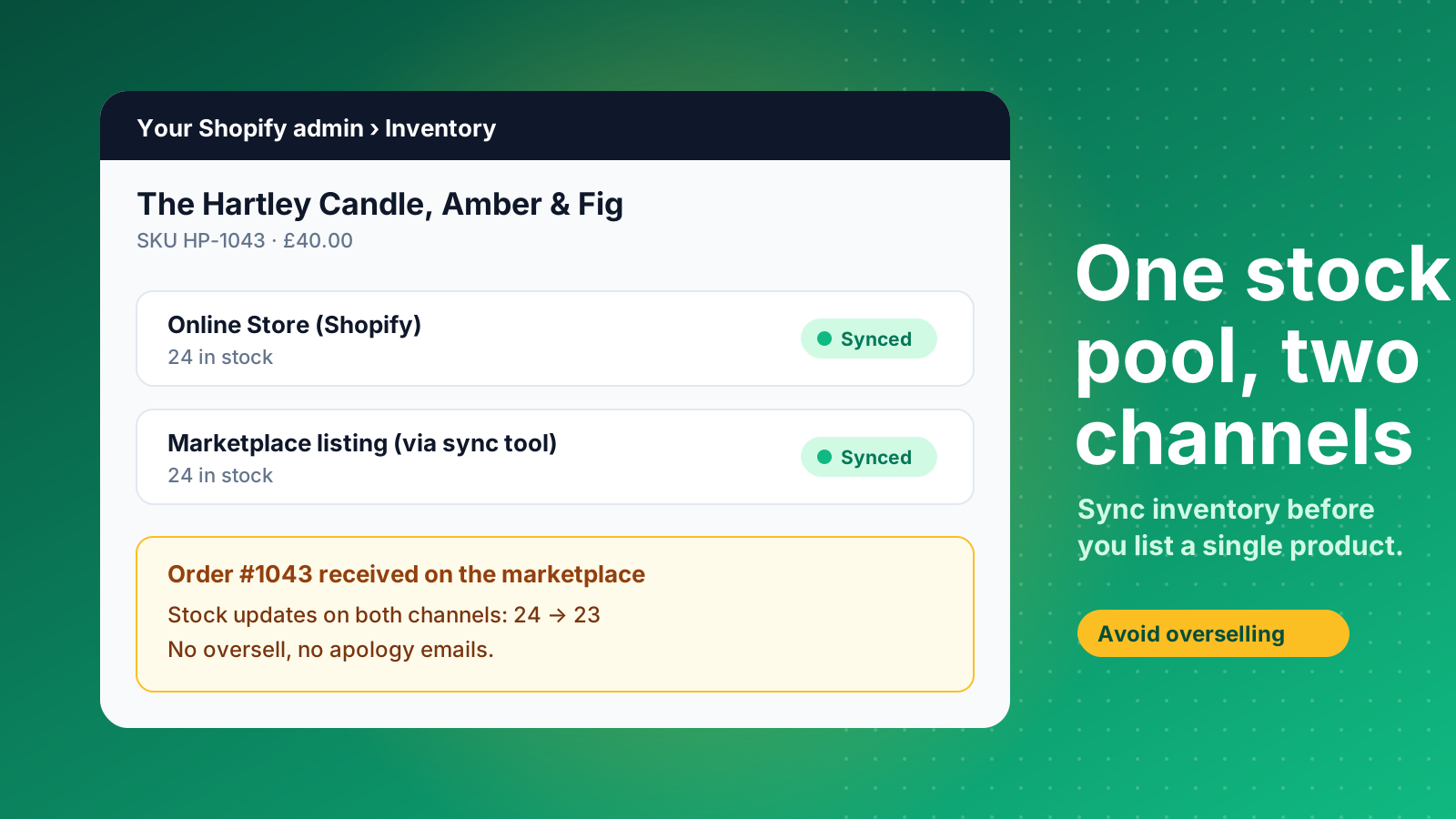
Sync your inventory. Selling one stock pool on two channels invites overselling. Order management tools such as StoreFeeder and Canary7 list NOTHS integrations, and the Shopify community has threads on syncing products and stock. Check exactly what each tool syncs (stock, orders, shipping and tracking information) before you pay.
Write different descriptions. Using identical copy on both channels can create duplicate content and weakens your own pages. Write unique product copy for your Shopify store using our guide to optimising product descriptions for SEO.
Mind your pricing. Shoppers compare. Because commission eats into margin, brands often price slightly higher on the marketplace, but check NOTHS's pricing rules first and avoid gaps that push buyers away from either channel.
Treat NOTHS as a feeder. Use it to reach new gift buyers, then invest in your own channels so more of each customer's lifetime value stays with you. If you are weighing other platforms too, our Amazon vs Etsy comparison covers the wider picture of online marketplaces, and our team can help you plan the Shopify side. Get in touch if you want a second opinion on your channel mix.