 Nic Dunn, CEO, Charle Agency

Introduction
Shopify collection pages are one of the most important drivers of organic traffic for ecommerce stores. These pages sit between your homepage and individual product pages and are often where customers land when they are actively browsing, comparing options, and deciding what to buy. When collection pages are optimised correctly, they attract high intent search traffic, support stronger internal linking, and play a direct role in increasing sales.
Despite their importance, collection pages are frequently under optimised. Many Shopify stores rely on default settings, thin collection descriptions, or automated templates that do not give search engines enough context to understand the products being listed. Others focus heavily on design and merchandising while overlooking how Google evaluates collection pages, leading to missed opportunities in search results.
This guide explains how to optimise Shopify collection pages properly, covering SEO, user experience, content, technical structure, and performance. It is written specifically for Shopify merchants and ecommerce teams who want collection pages that rank well, drive relevant traffic, and convert visitors into customers without sacrificing usability or brand presentation.

What are Shopify Collection Pages?
In Shopify, collection pages are used to group related products into a single page that customers can browse and compare. These pages typically target broader, non branded keywords that reflect how people shop, such as product type, category, gender, use case, or style. From an ecommerce SEO perspective, collection pages act as primary landing pages for search traffic and often generate more visibility than individual product pages.
Unlike product pages, which focus on a single item, a collection page represents a category or range of products. This makes it easier for search engines to understand the overall topic of the page and match it to high intent search queries. Well structured collections help Google connect keywords, products, internal links, and navigation into a clear hierarchy, improving how your site is crawled and ranked.
Because collection pages sit at the centre of your store structure, they influence both user experience and SEO performance. A strong collection page helps users find the right products quickly, supports internal linking to product pages, and distributes authority across your site. When these pages are neglected or treated as simple product lists, stores often struggle to rank consistently for valuable ecommerce keywords.
How Google Evaluates Collection Pages
Google evaluates collection pages by looking at how well they satisfy search intent, how clearly the page is structured, and how useful the content is for users browsing multiple products. Unlike blog content, collection pages are assessed as commercial pages, which means Google expects them to help users compare options, understand differences between products, and move towards a purchase.
Content depth plays a key role, but depth does not mean volume. Google looks for clear signals that explain what the collection contains, who it is for, and how the products differ. Pages with thin or duplicated collection descriptions often struggle because they do not provide enough context for search engines to understand the purpose of the page. Strong collection pages use headings, descriptive text, internal links, and product information to communicate relevance without overwhelming the user.
User experience and engagement are also important factors. Pages that load quickly, are easy to navigate, and help users find relevant products tend to perform better in search results. When users interact with filters, scroll through products, and click through to product pages, these behaviours indicate that the collection page is meeting expectations. Over time, this reinforces Google’s confidence in the page and improves its ability to rank consistently for competitive ecommerce keywords.

Collection Keyword Research
Effective keyword research for collection pages starts with understanding how customers search when they are browsing, not buying a specific product. Collection keywords usually reflect product categories, attributes, use cases, or audience intent, such as women’s clothing, running shoes, or organic skincare. These terms typically have higher search volume and sit earlier in the shopping journey, which makes them ideal for collection pages rather than individual product pages.
The primary keyword for a collection page should clearly describe the main group of products being listed. Supporting keywords often come from modifiers such as size, colour, material, price range, brand, or product features. Reviewing search results, competitor collections, and Google Search Console queries helps reveal how people phrase these searches and which variations Google already associates with similar pages. This ensures your collection targets real demand rather than assumptions.
Good collection keyword strategy also informs site structure. When a modifier has clear search volume and intent, it is often better handled as its own sub collection rather than a filter. This avoids relying on faceted URLs and gives the page a clean URL, unique content, and a stronger chance of ranking. By mapping keywords to collections intentionally, you create clearer signals for search engines and a more intuitive navigation experience for users.

URLs and Site Structure
Collection page URLs play a key role in how search engines understand your site structure and how users navigate your store. Clean, descriptive URLs help Google interpret what a collection page is about and give users confidence when clicking through from search results. In Shopify, this usually means keeping collection handles short, readable, and closely aligned with the primary keyword for the page.
A strong collection URL structure reflects a clear hierarchy. Parent collections should represent broad categories, while sub collections can target more specific intent, such as product type, audience, or use case. This approach makes your site easier to crawl and helps distribute internal link equity more effectively. It also avoids overloading a single collection with too many competing keyword targets.
One common Shopify issue is the way product URLs are generated when users navigate through collections. Product links can include the collection path, which creates multiple URLs for the same product. Where possible, product links should point directly to the canonical product URL to avoid duplication and reporting inconsistencies. A clean URL strategy supports better indexing, clearer analytics, and a more stable foundation for long term collection page SEO.

On Page SEO for Collection Pages
On page SEO for collection pages focuses on helping search engines understand the purpose of the page while making it easy for users to browse and compare products. Unlike blog content, collection pages need to balance written content, structure, and product listings without overwhelming the shopping experience. The following on page elements have the greatest impact on how Shopify collection pages perform in search results.
Build keywords into headings
Your H1 should clearly describe what the collection contains and align with the primary keyword for the page. Supporting headings can be used to introduce buying considerations, product attributes, or helpful information for shoppers. Keywords should appear naturally within headings where they make sense, rather than being forced into every section. Shopify’s own SEO guidance recommends using clear, descriptive headings to help both users and search engines understand page context.
Write collection descriptions with purpose
A collection description should explain what products are included, who the collection is for, and what makes it different. Avoid vague or overly promotional language. The description should support browsing and comparison, not distract from the product grid. Placing a short introduction near the top and more detailed content below the products helps maintain strong user experience while still providing enough text for SEO.
Optimise title tags for clarity and clicks
Title tags should include the primary collection keyword first, followed by a relevant modifier such as product type, audience, or use case. Keep titles concise and readable so they display cleanly in search results. Including your brand name can be useful for recognition, but it should not push important keywords out of view. Consistent title tag patterns help Shopify stores scale SEO across large catalogues.
Write meta descriptions that set expectations
Meta descriptions do not directly influence rankings, but they play a major role in click through rate. A strong meta description should outline the range of products available, highlight key benefits, or reference price, quality, or selection where relevant. Avoid duplicating descriptions across collections and focus on natural language that encourages users to click through from search results.
Use breadcrumbs to reinforce site structure
Breadcrumbs help search engines understand how collection pages fit within your site hierarchy and make navigation easier for users. On Shopify, breadcrumbs also provide additional internal links back to parent collections or categories. When implemented correctly, they improve crawl paths, reduce bounce rates, and support clearer contextual signals for search engines.
Support SEO with internal links
Internal links from collection content to related collections or key product pages help distribute authority and guide users through the site. These links should feel helpful and relevant, not forced. Strong internal linking improves crawl efficiency and helps search engines identify which collection pages are most important within your store.
Pay attention to pagination and sorting
Pagination and sorting options can create multiple URLs for the same collection, which can dilute SEO signals if left unmanaged. Where possible, use consistent default sorting and ensure pagination is crawlable without creating unnecessary duplicates. This helps search engines focus on the primary collection URL and improves long term ranking stability.
Ensure accessibility and semantic structure
Clear heading hierarchy, descriptive button labels, readable text, and accessible navigation all contribute to better user experience. These elements also help search engines interpret your content more accurately. Accessible collection pages are easier to crawl, easier to use, and more likely to perform well across both traditional search engines and AI driven discovery.
Collection Page Content Strategy
Collection page content should support browsing and decision making, not interrupt it. The purpose of this content is to explain what the collection includes, who it is for, and how the products differ, while allowing the product grid to remain the primary focus. Search engines use this content to understand page relevance, but users rely on it to quickly confirm they are in the right place.
Short introductory content works best near the top of the page, setting context without pushing products down. More detailed content is usually better placed below the product grid, where it can expand on buying considerations, materials, features, sizing, or common questions. This structure protects conversion rate while still giving search engines the depth they need to rank the page confidently.
To scale content across multiple collections, focus on usefulness rather than length. Avoid repeating the same descriptions with minor keyword changes. Instead, write content that reflects how customers think about that category and what information helps them choose between options. Well structured, purposeful content improves engagement, reduces bounce rate, and strengthens collection pages as long term SEO assets.
Product Grid and UX
The product grid is the core of every collection page and plays a major role in both user experience and conversion rate. While written content helps with SEO, most users make decisions based on what they see in the grid. If products are easy to scan, compare, and understand, users are more likely to engage, click through, and purchase.
High performing product grids surface the information shoppers care about most. This often includes clear product titles, pricing, variants, review ratings, availability, and any key differentiators such as best sellers or limited stock. Using consistent layouts and prioritising important details helps users compare items quickly without needing to open multiple product pages.
From an SEO perspective, strong engagement with the product grid sends positive signals to search engines. When users scroll, interact with filters, and click through to product pages, it reinforces that the collection page is meeting search intent. A well designed grid supports accessibility, loads efficiently across devices, and aligns merchandising with search performance, making it a critical component of collection page optimisation.

Filters and Faceted Navigation
Filters and faceted navigation are essential for helping users refine large collections, especially on Shopify stores with wide product ranges. With Shopify’s native filtering system, applying a filter now appends parameters to the URL rather than creating new collection paths. This improves usability and avoids many of the historical SEO issues associated with faceted navigation.
Even with this improvement, filtered URLs should not be treated as indexable pages. Search engines should focus on the core collection URL, not variations created by filter parameters. You should never link internally to filtered URLs from navigation, content, or internal links, as this can introduce canonical conflicts and dilute ranking signals across multiple versions of the same page.
Additional care is required when third party filtering or search apps are in use. Some apps still generate crawlable URLs, separate paths, or tag based pages that behave like standalone collections. These can create duplicate content and indexing issues if left unchecked. Where filters represent meaningful search demand, the correct approach is to create a dedicated sub collection with a clean URL, unique content, and clear internal linking, rather than relying on filtered pages to rank.

Technical SEO for Collection Pages
Technical SEO ensures collection pages can be crawled, indexed, and interpreted correctly by search engines. Even well written content and strong product grids will underperform if technical foundations are weak. For Shopify stores, this means paying close attention to indexation, canonical URLs, pagination, and overall site performance.
Each collection page should have a clear canonical URL that points to the primary version of the page. This prevents duplication caused by sorting parameters, pagination, or filtered URLs. Pagination should be crawlable and consistent, allowing search engines to discover all products within a collection without treating each page as a separate ranking target.
Page speed and Core Web Vitals are also critical technical factors. Large product grids, unoptimised images, and unused apps can slow down collection pages and harm user experience. Fast loading, stable layouts, and responsive interactions help search engines assess page quality and ensure users can browse products smoothly across devices. Strong technical SEO creates a reliable foundation that allows collection pages to rank, scale, and perform consistently over time.
Images and Media
Images and media play a major role in how users engage with collection pages, but they also influence SEO and performance. Collection pages often load many product images at once, which makes correct optimisation essential. Search engines expect media to support the page without slowing it down or creating layout issues.
All collection and product images should be correctly sized, compressed, and served in modern formats where possible. Alt text should describe the product clearly and accurately, focusing on what the image shows rather than forcing keywords. This improves accessibility and helps search engines understand visual content, particularly in image search results.
Collection banners and promotional imagery should be used carefully. Large or heavy images at the top of the page can harm load times and push products too far down the screen. Media should enhance the shopping experience, not dominate it. When images and videos are optimised properly, they improve engagement, reduce bounce rate, and support stronger SEO performance across collection pages.
Structured Data
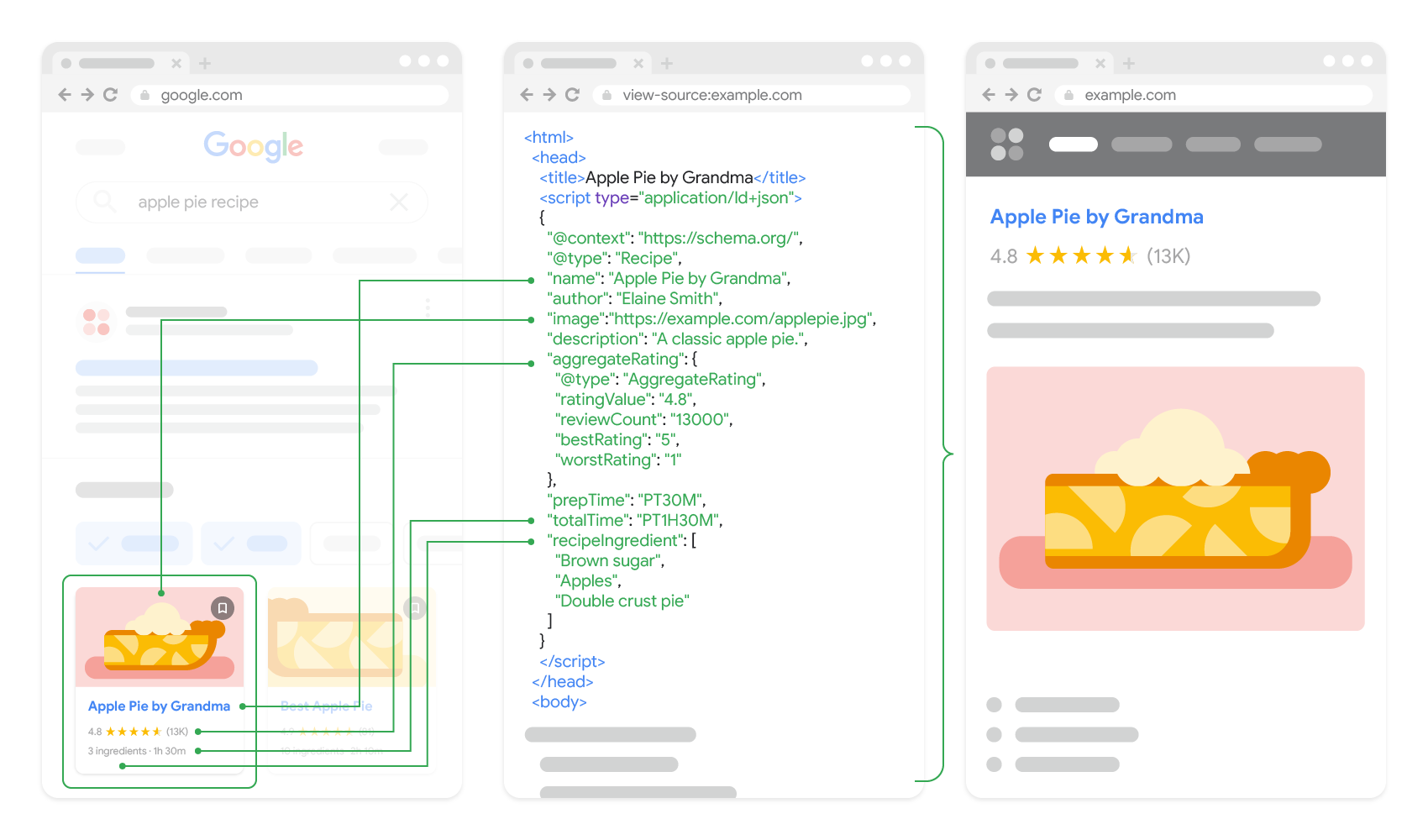
Structured data helps search engines understand the products within your collection pages and how key information such as price, availability, and reviews relate to each item. While most Shopify themes include basic product schema by default, this markup is often incomplete or inconsistent, which can limit visibility in rich results and shopping features.
Product structured data should accurately reflect what users see on the page, including product names, images, pricing, stock status, and brand information. Any mismatch between on page content and schema can reduce trust and prevent search engines from using the data confidently. Collection pages benefit when schema is implemented cleanly and consistently across all products shown.
Additional structured data, such as FAQ schema or review markup, can further enhance how collection pages appear in search results when used appropriately. For a deeper walkthrough on implementing and improving product schema on Shopify, see our guide on how to add schema to product pages for SEO. Correct structured data improves search visibility without affecting the user experience and supports stronger long term performance.
Merchant Center and Feed Optimisation
Google Merchant Center plays an important role in how products from your collection pages appear across Google Shopping, free product listings, and other commerce driven search features. While Merchant Center does not directly control organic rankings, clean and accurate product feeds improve overall visibility and support stronger performance across search results.
Your product feed should reflect the same information shown on collection and product pages, including titles, prices, availability, brand, and images. Inconsistencies between your site and feed can lead to disapproved products or reduced exposure. Well optimised feeds also help Google understand which products belong in which categories, reinforcing the relevance of your collection pages.
For Shopify stores, this means maintaining good feed hygiene, avoiding unnecessary variants, and ensuring product data is complete. When Merchant Center and on site SEO are aligned, collection pages benefit from stronger visibility across both organic and shopping experiences. Learn how to improve your organic rankings on Google Shopping with our free guide.
Measuring Performance
Measuring collection page performance is essential for understanding what is driving traffic, engagement, and sales. Collection pages should be evaluated not just on rankings, but on how effectively they attract the right visitors and move them towards product pages and conversions.
Google Search Console provides insight into which queries trigger collection pages, how often they appear in search results, and where opportunities exist to improve click through rate. Analytics tools such as GA4 help you assess user behaviour, including engagement, product clicks, and conversion paths that begin on collection pages.
Regular performance reviews allow you to identify high potential collections, refine content, adjust internal linking, and improve merchandising where needed. Iterating based on real data ensures collection pages continue to perform as search behaviour, competition, and user expectations change over time.
Collection Page SEO Checklist
- Use a clear, descriptive H1 that matches the primary collection keyword
- Write unique title tags and meta descriptions for every collection page
- Keep collection URLs short, readable, and aligned with search intent
- Add a concise collection description that explains what the page includes and who it is for
- Place longer supporting content below the product grid to protect conversion rate
- Ensure product grids surface key information such as price, availability, and reviews
- Use Shopify’s native filters for users, but never link internally to filtered URLs
- Create dedicated sub collections for high demand modifiers instead of relying on filters
- Check canonical URLs to ensure only the main collection page is indexable
- Optimise images with correct sizing, compression, and descriptive alt text
- Limit heavy apps and unused scripts to improve page speed and Core Web Vitals
- Implement accurate and consistent product structured data across collections
- Use breadcrumbs and internal links to reinforce site hierarchy
- Align Merchant Center product feeds with on site collection and product data
- Review performance regularly using Google Search Console and analytics tools
Charle X SEO
Optimising Shopify collection pages is one of the most effective ways to increase organic visibility, attract high intent traffic, and improve ecommerce performance. When collection pages are structured properly, supported by strong content, and underpinned by sound technical SEO, they become long term growth assets rather than simple product listings.
If you want expert support improving your Shopify or ecommerce SEO, our team at Charle can help. You can get in touch with us directly via our contact page, or learn more about our specialist services on our Shopify SEO agency and ecommerce SEO agency pages.
For additional insights, you may find our research useful on the top GEO agencies for ecommerce and our curated list of the top ecommerce SEO agencies, which explores different approaches to organic growth and search performance.
Looking to go deeper on product level optimisation? Read our related guide on how to optimise product pages on Shopify for SEO, which complements this collection page strategy and helps strengthen your entire ecommerce site.