Before diving into the top shipping apps for Shopify, it's essential to understand why customer shipping is crucial for e-commerce success.
Streamlined Order Processing: Shipping apps streamline the order processing workflow by automating tasks such as order importation, label generation, and carrier selection. This automation saves you and your team valuable time, reducing the risk of manual errors, and ensuring that orders are fulfilled promptly.
Access to Multiple Carriers: Many shipping apps for Shopify offer integration with multiple carriers, including USPS, FedEx, UPS, DHL, and regional or specialised carriers. This allows you to compare shipping rates, choose the most cost-effective options, and provide a variety of shipping choices to your customers, thereby improving their shopping experience.
Real-Time Shipping Rates: Shipping apps can provide real-time shipping rate calculations at
checkout. This transparency allows customers to see accurate shipping costs, reducing cart abandonment rates as they know exactly what to expect. It also prevents overcharging or undercharging for shipping, improving your overall profitability.
International Shipping Made Easy: If your business involves international sales, shipping apps often come with features that simplify international shipping. These features may include automated customs documentation, duty and tax calculation, and support for multiple currencies. This makes expanding your global customer base more accessible and less daunting.
Customisable Shipping Rules: Many shipping apps allow you to create customised shipping rules based on various factors like product weight, location, or order value. This level of flexibility enables you to tailor your shipping options to meet specific customer preferences or promotional offers.
Inventory Management Integration: Some shipping apps seamlessly integrate with your inventory management system. This ensures that stock levels are updated in real-time across all sales channels, reducing the risk of overselling and allowing for better inventory control.
Branded Shipping Materials: Many shipping apps offer the ability to create branded shipping labels, packing slips, and tracking emails. This provides a professional and consistent brand image to your customers throughout their entire shopping and shipping experience.
Enhanced Tracking and Notifications: Shipping apps often include tracking features that allow customers to monitor the progress of their orders in real-time. Additionally, automated tracking notifications via email or
SMS keep customers informed and engaged, reducing inquiries about order status.
Cost Savings: By accessing discounted rates from carriers and optimising shipping strategies, shipping apps can help reduce your overall shipping costs. Over time, these savings can significantly impact your bottom line, especially if you're shipping a high volume of orders.
Customer Satisfaction: Ultimately, the most critical benefit of using shipping apps is improved customer satisfaction. With accurate shipping estimates, real-time tracking, and a range of shipping options, you can offer a seamless and reliable shipping experience, which can lead to happy and loyal customers who are more likely to return for future purchases.
Now that we understand the importance of shipping on Shopify, let's explore the top 10 best shipping apps that can help you supercharge the logistics of your online store.

Overview: StarShipIt is a powerful shipping and order fulfilment app that helps streamline and automate your Shopify store's shipping processes. It integrates with various carriers and offers features such as multi-carrier support, real-time shipping rates, address validation, and batch label creation. StarShipIt is particularly known for its advanced automation capabilities, including order consolidation and inventory management, making it an excellent choice for e-commerce businesses looking to optimise their shipping operations.
Key Features:
Multi-Carrier Support: StarShipIT integrates with a variety of carriers, including major providers like USPS, FedEx, UPS, DHL, Australia Post, New Zealand Post, and more. This allows you to choose the best shipping options for your specific needs.
Real-Time Shipping Rates: The app provides real-time shipping rate calculations at checkout, ensuring that your customers see accurate and up-to-date shipping costs based on their location and the selected carrier.
Address Validation: StarShipIT includes address validation tools to help ensure accurate deliveries. It can automatically correct or flag incomplete or inaccurate shipping addresses, reducing the risk of delivery errors
Customisable Packing Slips and Labels: You can create branded shipping materials, including packing slips and shipping labels, with your company logo and other custom information. This adds a professional touch to your shipments and reinforces your brand identity.
Order Consolidation: StarShipIt allows you to batch multiple orders into a single shipment. This not only helps reduce shipping costs but also simplifies the order fulfillment process by reducing the number of packages to manage.

Overview: Aftership is a post-purchase engagement and tracking app that enhances the customer experience by providing real-time tracking updates and order visibility.
Key Features:
Custom tracking pages: Design branded tracking pages for your customers.
Notification and alerts: Keep customers informed about their order status via email or SMS.
Delivery analytics: Analyse delivery performance and identify areas for improvement.
Returns management: Simplify the returns process with automated return labels.
Integration with 800+ carriers: Cover a wide range of shipping options.
Aftership helps improve customer satisfaction by giving them the transparency and peace of mind they desire during the shipping process.
Overview: ShipStation is a highly versatile shipping and order fulfillment app that integrates seamlessly with Shopify. It offers a user-friendly interface and a plethora of features designed to simplify your shipping operations. With ShipStation, you can automate order processing, generate shipping labels, and manage your inventory efficiently.
Key Features:
Multi-carrier support: Connect with major carriers like USPS, FedEx, UPS, and DHL.
Order consolidation: Batch multiple orders into a single shipment to reduce shipping costs.
Real-time shipping rates: Get accurate shipping rates for your customers at checkout.
Customisable packing slips and labels: Create branded shipping materials.
Inventory management: Keep track of your stock levels in real-time.
ShipStation's robust reporting and analytics also help you identify cost-saving opportunities and improve order fulfillment speed.

Overview: Shippo is a user-friendly shipping app that offers a simple, yet powerful, solution for Shopify store owners. It enables you to compare shipping rates from various carriers, purchase shipping labels, and track packages in real-time.
Key Features:
Multi-carrier support: Access competitive rates from top carriers.
Batch label creation: Generate shipping labels in bulk to save time.
Address validation: Ensure accurate deliveries with address verification.
International shipping: Easily manage international shipments and customs documentation.
Return label generation: Offer hassle-free return options to your customers.
Shippo's seamless integration with Shopify and its easy-to-use interface make it a top choice for businesses of all sizes.

Overview: Easyship is an all-in-one shipping app designed to simplify cross-border e-commerce. It offers access to a global network of couriers and provides real-time shipping rates, making international shipping a breeze.
Key Features:
Global courier network: Choose from over 250 shipping solutions worldwide.
Duty and tax calculation: Automatically calculate and display customs fees.
Shipping cost transparency: Show customers all associated fees at checkout.
Shipping rules: Set up rules for shipping methods and pricing based on customer preferences.
Inventory sync: Keep your inventory levels updated across multiple sales channels.
Whether you're shipping locally or
internationally, Easyship's comprehensive features can help you optimise your shipping strategy.

Overview: Printful is a unique shipping app that specialises in print-on-demand products. If you run a Shopify store that sells custom apparel, accessories, or home goods, Printful can be an excellent choice for you.
Key Features:
Product customisation: Create and sell custom-designed products with ease.
Warehousing and fulfillment: Store your inventory at Printful's facilities for faster order processing.
White-labeling: Add your branding to products and packaging.
Integration with various e-commerce platforms: Expand your sales channels beyond Shopify.
Automatic order syncing: Orders are automaticallsy fulfilled, and tracking information is updated.
Printful offers a seamless experience for artists, designers, and entrepreneurs looking to turn their creative ideas into profitable products.
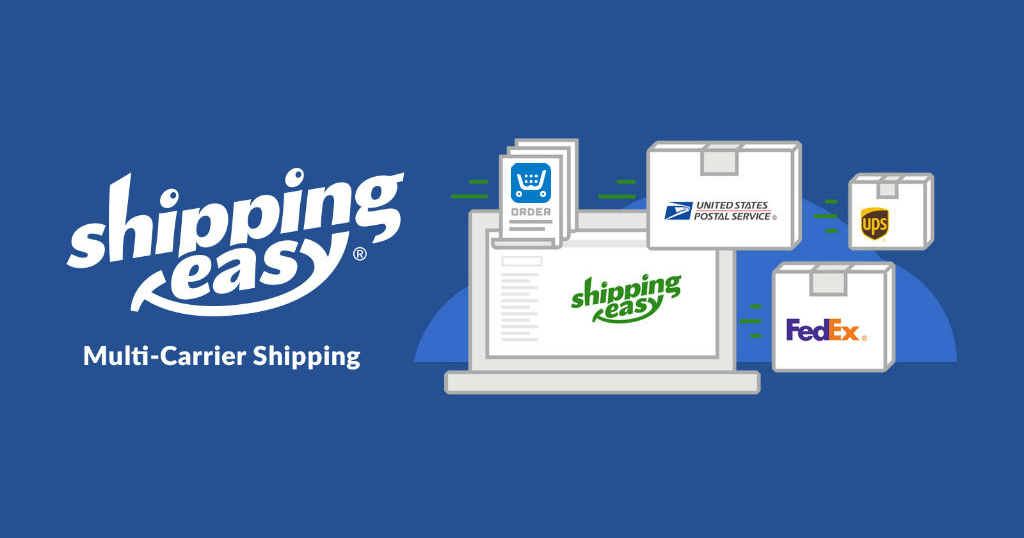
Overview: ShippingEasy is a Shopify shipping app that lives up to its name by simplifying your shipping processes. It provides robust tools for order processing, label creation, and customer communication.
Key Features:
Order management: Easily import and organise orders from multiple channels.
USPS discounts: Access discounted USPS rates, saving you money on shipping.
Shipping automation: Set rules for order fulfillment and label printing.
Email marketing integration: Send tracking and review requests to customers.
Inventory syncing: Keep your stock levels accurate and prevent overselling.
ShippingEasy's user-friendly interface and automation capabilities make it a valuable asset for Shopify merchants looking to streamline their operations.
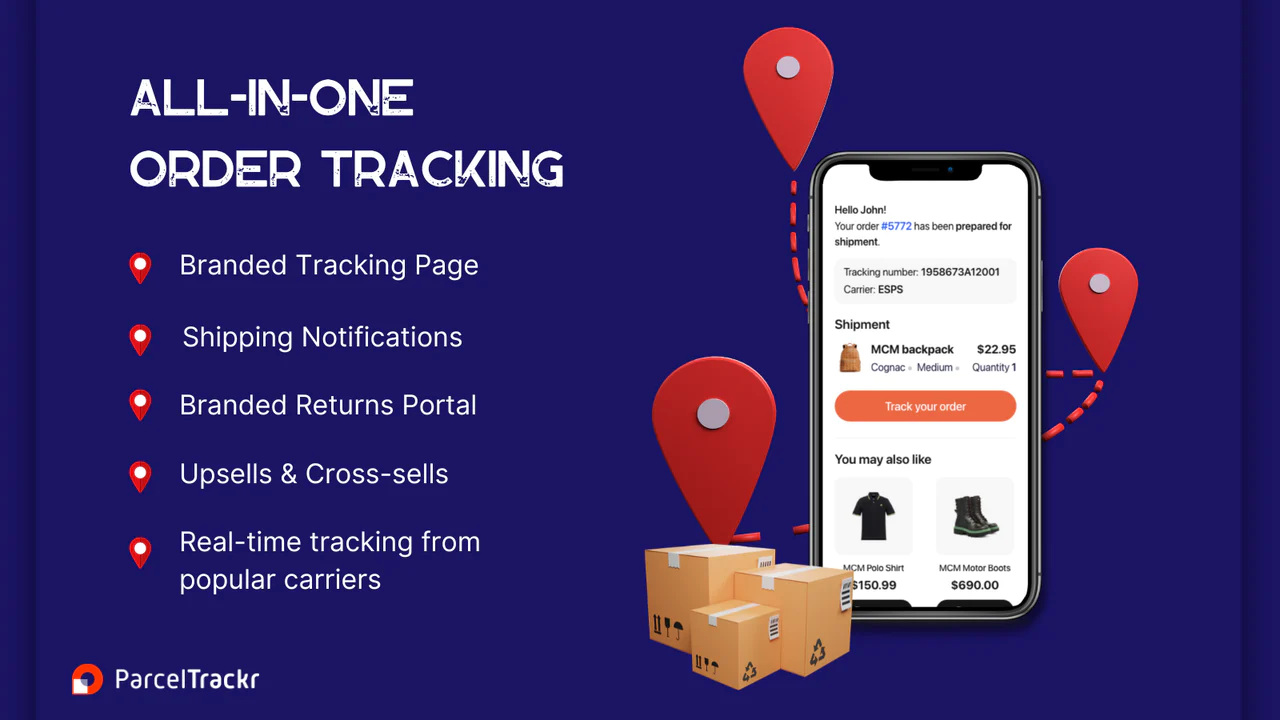
Overview: Trackr is a Shopify shipping app that focuses on improving your customers' tracking experience. It provides a user-friendly, customisable tracking page that enhances your brand's image.
Key Features:
Customisable tracking page: Create a branded tracking experience for your customers.
Real-time tracking updates: Keep customers informed about their order's progress.
Mobile-friendly design: Ensure a seamless tracking experience on all devices.
Notifications: Send automated tracking updates to customers via email or SMS.
Analytics: Gain insights into customer engagement with tracking pages.
Trackr helps you maintain a professional and customer-centric approach to order tracking.
Overview: Parcelify is a shipping app for Shopify that offers advanced shipping rate customisation. It allows you to create complex shipping rules based on various criteria, giving you more control over your shipping costs.
Key Features:
Custom shipping rules: Set up rules based on product weight, location, and more.
Tiered pricing: Offer different shipping rates for different customer segments.
Multi-location support: Specify shipping rates for specific locations.
Conditional shipping: Create rules that apply only under specific circumstances.
Real-time calculations: Ensure that customers see accurate shipping rates at checkout.
Parcelify is an ideal choice for businesses with unique shipping requirements that demand granular control over shipping costs and options.

Overview: Oberlo is a dropshipping app for Shopify that simplifies the process of sourcing and fulfilling products directly from suppliers. While not a traditional shipping app, Oberlo deserves a spot on this list because of its significance for dropshipping businesses.
Key Features:
Product sourcing: Easily add products to your store from Oberlo's extensive catalog.
Automated order fulfillment: Orders are automatically sent to suppliers for shipping.
Inventory and pricing updates: Keep product details and prices up to date.
AliExpress integration: Access a wide range of suppliers and products from AliExpress.
Order tracking: Monitor the status of your orders from within Shopify.
Oberlo is a valuable tool for entrepreneurs looking to start a dropshipping business with minimal upfront costs.
FAQ's About Shopify Shipping Apps
Q: What is a shipping app for Shopify, and why do I need one?
A: A shipping app for Shopify is a software application that integrates with your Shopify store to help you manage and optimise your shipping and fulfillment processes. These apps offer features such as real-time shipping rate calculations, label generation, carrier selection, and more. You need a shipping app to streamline your order processing, offer accurate shipping rates to customers, and enhance the overall shopping experience.
Q:
Q: How do shipping apps save me time and reduce errors?
A: Shipping apps automate many tasks involved in order fulfillment, such as importing orders, generating shipping labels, and updating tracking information. By eliminating manual data entry and reducing the risk of human errors, these apps can significantly save you time and ensure accurate and efficient shipping operations.
Q: Can I use multiple carriers with a shipping app?
A: Yes, most shipping apps for Shopify offer integration with multiple carriers, including major providers like USPS, FedEx, UPS, and DHL. This allows you to choose the best carrier for each order based on factors like shipping speed, cost, and destination.
Q: Do shipping apps support international shipping?
A: Yes, many shipping apps have features specifically designed to facilitate international shipping. These features may include automated customs documentation, duty and tax calculations, currency conversion, and support for international shipping carriers. This makes expanding your customer base to international markets more accessible.
Q: Can I customise shipping options for my customers with these apps?
A: Absolutely. Shipping apps often provide the flexibility to create custom shipping rules based on factors like product weight, location, or order value. This allows you to offer various shipping options and rates to cater to different customer preferences or promotions.
Q: How do shipping apps help me save on shipping costs?
A: Shipping apps can provide access to discounted shipping rates from carriers, which can significantly reduce your shipping expenses. Additionally, by optimising your shipping strategies, such as batch label creation and order consolidation, you can further minimise costs over time.
Q: Do shipping apps integrate with inventory management systems?
A: Yes, many shipping apps seamlessly integrate with inventory management systems. This integration ensures that your stock levels are updated in real-time across all your sales channels. This helps prevent overselling and allows for better inventory control.
Q: How can a branded shipping experience benefit my business?
A: A branded shipping experience, including custom labels, packing slips, and tracking notifications, can enhance your brand's professionalism and consistency. It leaves a positive impression on customers and reinforces your brand identity, increasing customer loyalty and trust.
Q: Are there any additional costs associated with using shipping apps on Shopify?
A: While many shipping apps offer free plans or trials, some may have
subscription fees or charge per-label fees. Be sure to review the pricing structure of the app you choose to understand any potential additional costs beyond standard shipping expenses.
Q: Which shipping app is right for my Shopify store?
A: The right shipping app for your Shopify store depends on your specific needs and business requirements. Consider factors such as your shipping volume, the complexity of your shipping rules, international shipping, and budget when choosing the app that best fits your needs. It's also a good practice to test the app to ensure it integrates smoothly with your existing processes.
Top Shipping Apps for Shopify: Conclusion
Selecting the right shipping app for your Shopify store is a critical decision that can significantly impact your business's efficiency and customer satisfaction levels. Each of the ten apps discussed in this guide offers unique features and benefits to cater to various e-commerce needs. Whether you're looking for streamlined order fulfillment, international shipping support, or enhanced tracking experiences, there's an app on this list to help you achieve your goals.
When choosing a shipping app for your Shopify store, consider factors such as your business size, shipping volume, and specific requirements. Additionally, it's essential to test the apps and see how well they integrate with your existing processes before committing to one. By leveraging these powerful shipping apps, you can take your Shopify store to the next level, providing exceptional service to your customers while optimising your shipping operations for success. If no single app on this list perfectly meets the requirements of your store, consider
custom app development by Charle to take your store to the next level.



















 Bespoke Shopify Plus Websites