 Nic Dunn, CEO, Charle Agency
What Is Organic Marketing?
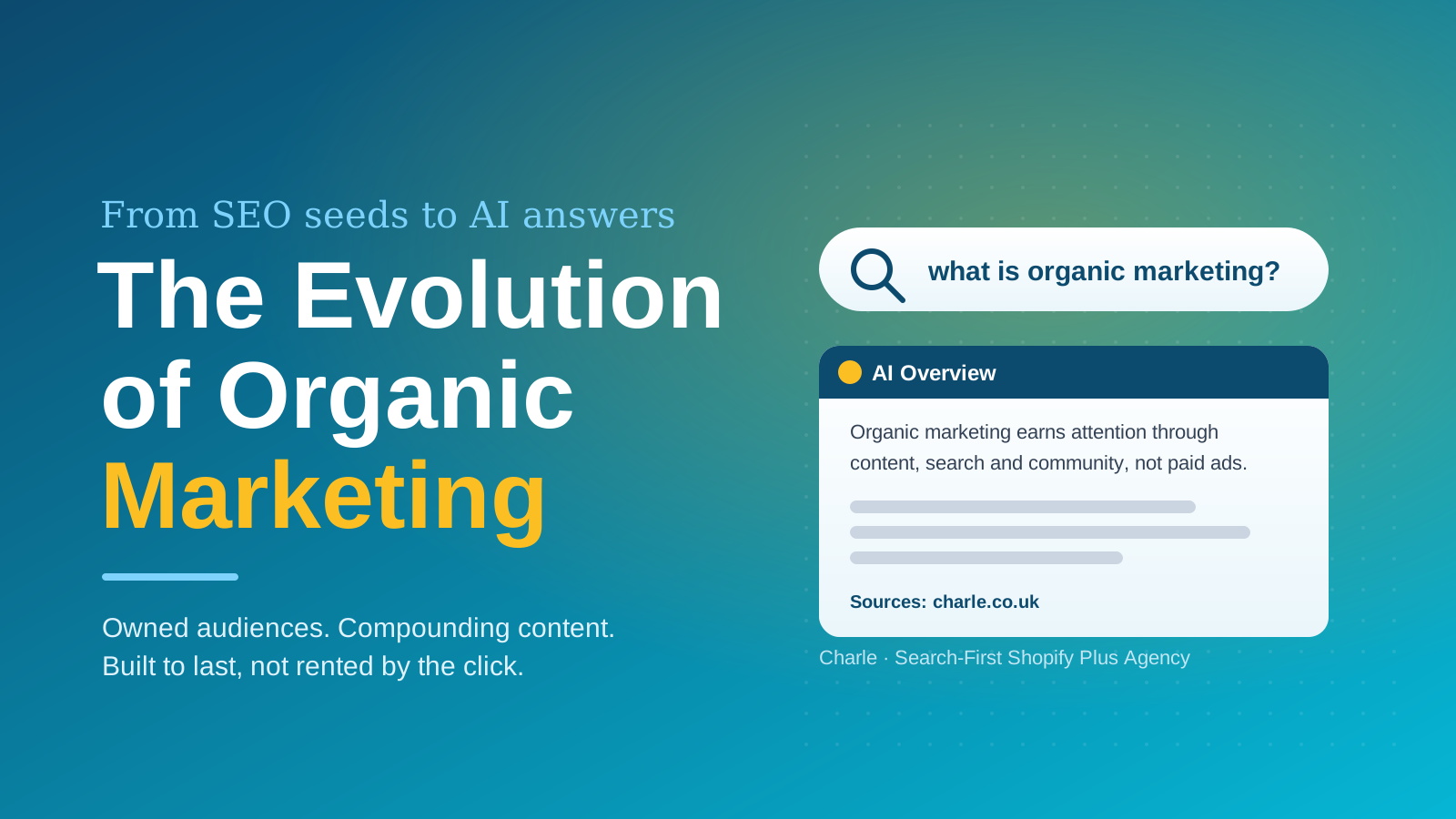
Organic marketing is any strategy that attracts and retains customers without paying directly for placement. Instead of buying clicks or impressions through ads, you earn attention through valuable content, search visibility, social media, email and genuine community. If you run a blog, send a newsletter, post on social media or rank for a product term on Google, your business is already doing organic marketing.
The defining feature is ownership. Paid media and ads rent you reach for as long as the budget runs; the moment you stop spending, the traffic stops too. Organic marketing builds assets that keep working: blog posts that rank for years, an email list you can message at will, a social media following and a community that returns without being prompted. That permanence is exactly why it rewards patience and punishes shortcuts, and why so many Shopify businesses now treat it as core infrastructure rather than a side project.
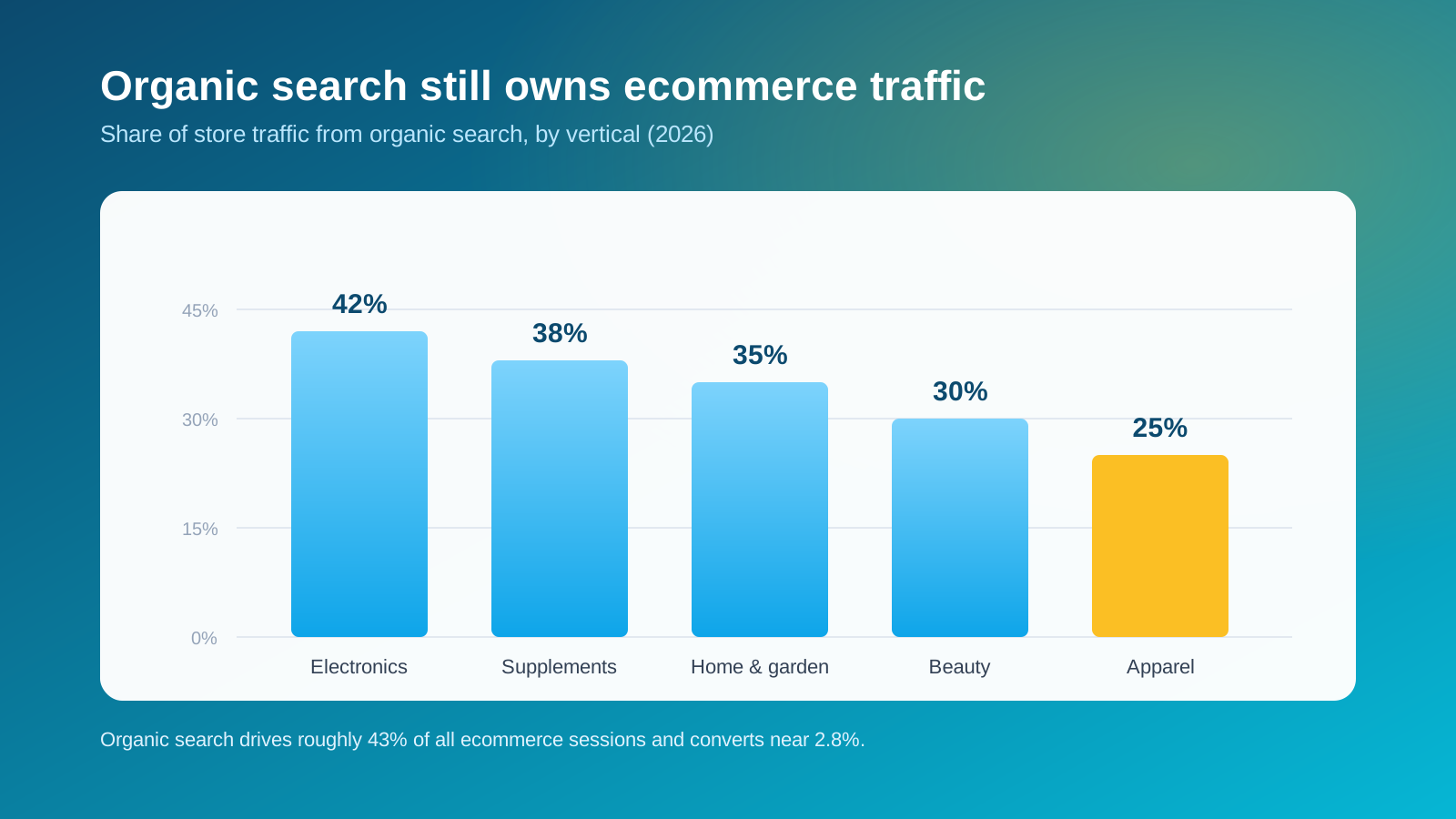
It's also the largest single source of ecommerce demand. Organic search drives roughly 43% of all ecommerce traffic and around 23.6% of online orders, and it converts at close to 2.8%, well ahead of organic social. For Shopify brands, that makes organic marketing less of a "nice to have" and more of a core growth engine. For the wider numbers, see our ecommerce SEO statistics report.
How Organic Marketing Has Evolved: Three Eras
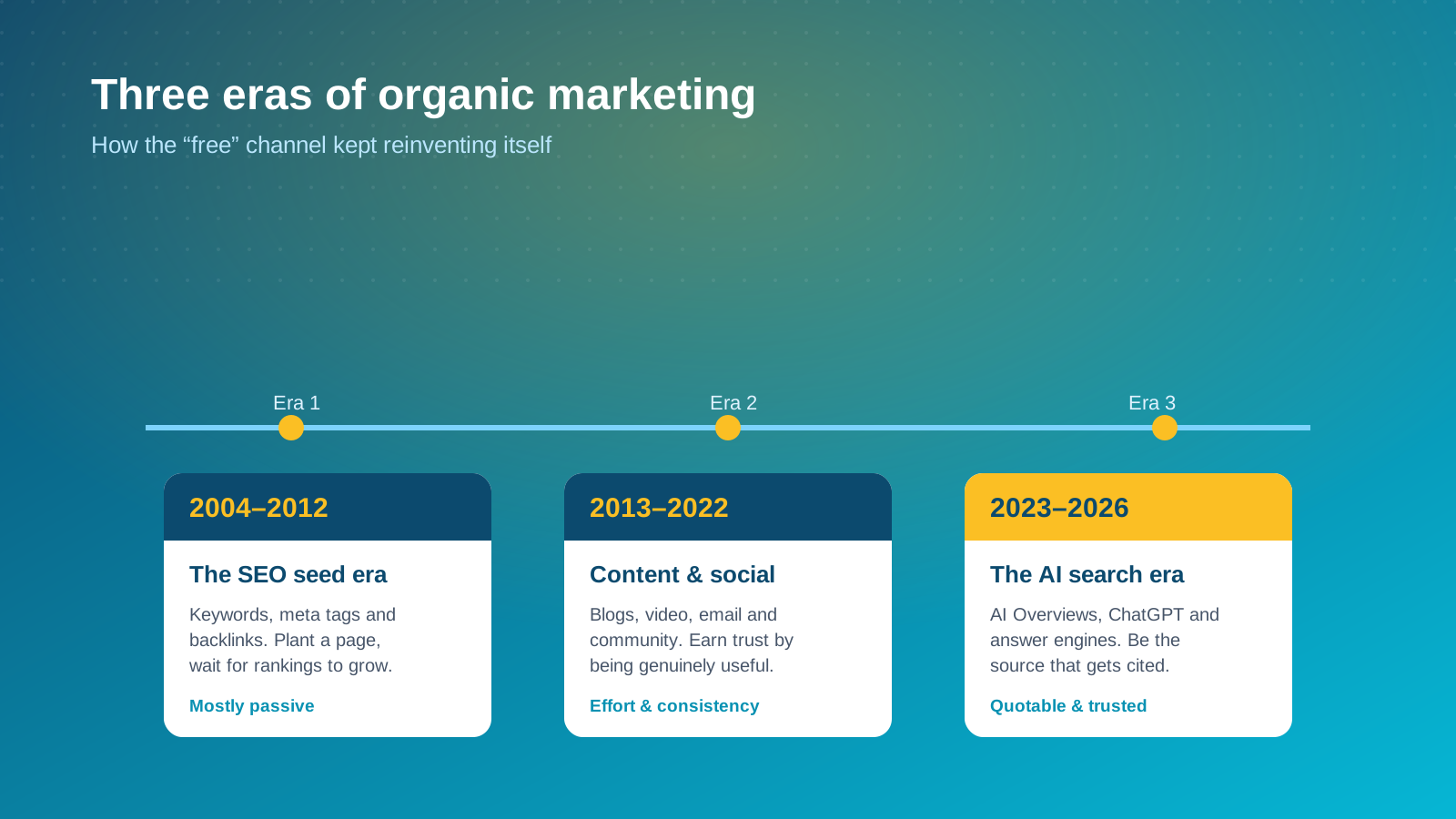
Understanding where organic marketing is heading means understanding where it came from. The discipline has moved through three broad eras, each one demanding more craft than the last.
Era one: the SEO seed (roughly 2004 to 2012). In the early days of online retail, organic marketing was close to passive. You researched a handful of keywords, stuffed them into titles and meta tags, chased a few backlinks, and waited. Rankings could be won with thin content because the bar was low and competition was light. "Organic" genuinely meant the easy way compared with paid advertising.
Era two: content and community (roughly 2013 to 2022). As search engines matured and social platforms exploded, the rules changed. Thin pages stopped working. Brands that won invested in real content: in-depth guides, video, podcasts and email programmes that built relationships over time. Organic social gave brands a direct line to their audience, and community became a moat. This was the era where "build an audience" became standard advice, and where consistency separated winners from the rest.
Era three: AI search (2023 to today). Generative AI has rewritten the front page again. Google's AI Overviews, ChatGPT, Perplexity and other answer engines now sit between the searcher and your website, summarising answers before anyone clicks. The job is no longer just to rank; it's to be the trusted source an AI cites when it builds its answer. Passive SEO is dead, and even the content-and-social playbook needs an upgrade.
The thread running through all three eras is consistent: organic marketing keeps getting more demanding, and the brands that treat it as a serious, ongoing investment keep pulling ahead of those hoping for a free lunch.
Organic vs Paid Marketing: The Real Trade-Off
Organic and paid marketing both grow visibility, but they behave very differently, and the smartest brands use them together rather than choosing one.
Paid marketing buys speed. Launch a campaign of ads and you can be in front of your target audience within hours, which makes it ideal for product launches, promotions and testing demand quickly. The catch is that the results stop when the budget does, and rising ad costs have squeezed margins for many DTC businesses.
Organic marketing buys durability. It's slower to build and demands consistent effort, but the assets compound. A useful comparison: paid marketing is like renting a billboard, while organic marketing is like planting a tree that bears fruit season after season. The trade-offs break down like this:
- Speed: Paid delivers immediate reach; organic builds over weeks and months.
- Cost behaviour: Paid is a recurring spend; organic is front-loaded effort that keeps paying back.
- Trust: Audiences tend to trust earned visibility more than an advert.
- Measurement: Paid is easy to attribute; organic often needs trend analysis to credit properly.
- Longevity: Paid stops the moment you pause; organic keeps working.
The real difference comes down to what you own. Paid advertisements stop delivering the moment the money does, so the lasting advantage of organic is that the work keeps compounding long after it is done.
In practice, the two reinforce each other. Paid retargeting ads can re-engage visitors your content attracted, and boosting your best organic content extends its reach and turns engagement into leads. The mistake is treating paid ads as a permanent substitute for building owned demand.
The Channels That Make Up Modern Organic Marketing
Organic marketing isn't a single tactic. It's a system of channels that work best in combination, each feeding the others.
Search engine optimisation. SEO is the backbone. Optimising your store and content so it ranks in search results brings qualified visitors with high intent, and on Shopify that means well-structured collection and product pages alongside content that targets the questions your customers ask. Our Shopify SEO guide covers the full approach.
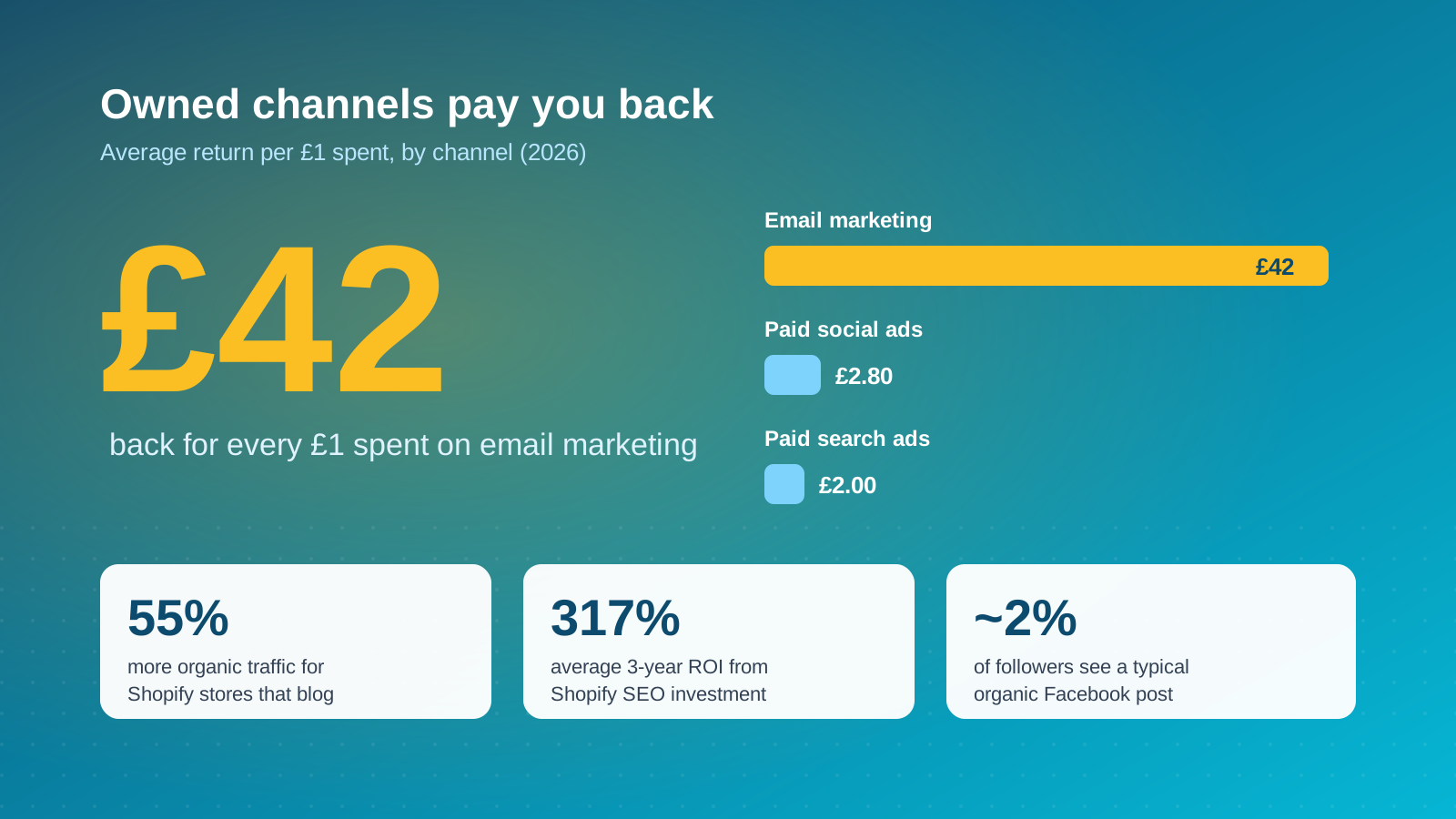
Content marketing and blogging. Blog posts let you target informational keywords your product pages never could, and the compounding effect is real: Shopify businesses that blog consistently see around 55% more organic traffic. The keyword is quality. Generic, AI-spun blog posts no longer cut through, so the goal is differentiated, genuinely useful content that reflects your brand voice and steadily builds brand awareness.
Organic social media. Organic social media keeps your brand top of mind and builds community, but reach has tightened sharply. A typical organic Facebook post now reaches only around 2% of followers, and Instagram reach has slipped year on year. Social media marketing still matters for connection, engagement and discovery, and short-form videos in particular help posts travel, but treating social media as your only organic channel is risky when the platforms control the dial.
Email marketing. Email remains the highest-return organic channel by a distance, delivering around £42 for every £1 spent, and even more for ecommerce specifically. Unlike social media, your list is an audience you own outright. Segmented newsletters and well-timed campaigns nurture leads, drive a large share of ecommerce revenue and lift customer lifetime value.
Video, reviews and community. Videos on YouTube, TikTok and Instagram show products in action and build trust. Customer reviews, testimonials and user-generated content provide social proof at no media cost, and they feed brand awareness as happy customers share your business with their own networks. Case studies and customer stories turn satisfied clients into proof for the next prospect, while loyalty programmes, referrals and owned communities turn one-time buyers into repeat customers and advocates. None of these happen passively; each needs a reason for people to keep showing up.
The formats that carry it. Organic marketing runs on many types of content, and variety plus a little creativity keeps audiences engaged. Long-form blog posts and how-to guides answer search queries; short videos, images and product photos earn reach on social media platforms; infographics and other visuals turn data into something shareable; and well-judged social media posts with the right hashtags travel further than plain updates. Pull these formats together with a clear brand story and a consistent voice, and each type of content earns its place rather than adding noise. The best programmes reward consistent efforts over one-off bursts.
Why Organic Marketing Matters More Than Ever for Shopify Brands
For Shopify and Shopify Plus brands, organic marketing has shifted from a long-term ambition to a near-term necessity. Three forces are driving that.
First, paid acquisition has become expensive and volatile. As ad costs climb and privacy changes erode targeting, businesses leaning entirely on paid ads feel every increase in their margins. Owned, organic demand and the brand awareness it builds are the hedge against that volatility.
Second, the returns compound. Shopify SEO delivers an average three-year ROI of around 317% with a break-even point near nine months, because the traffic keeps arriving long after the work is done. A blog post or optimised collection page is an asset on the balance sheet, not a cost that resets every month.
Third, trust now sits at the centre of buying decisions. Shoppers increasingly favour brands that feel authentic and transparent, and organic channels are where that authenticity is built. A brand that consistently answers its customers' questions and shows up usefully earns a kind of credibility that paid placement can't buy. The practical upside is an audience that seeks you out before they buy, which is the strongest position any ecommerce brand can hold. For an entrepreneur building a brand from scratch, that is the whole journey in miniature: show up usefully, earn a presence in your corner of the world, and let a steady range of marketing efforts build a reputation that paid advertisements cannot rent.
Organic Marketing in the Age of AI Search
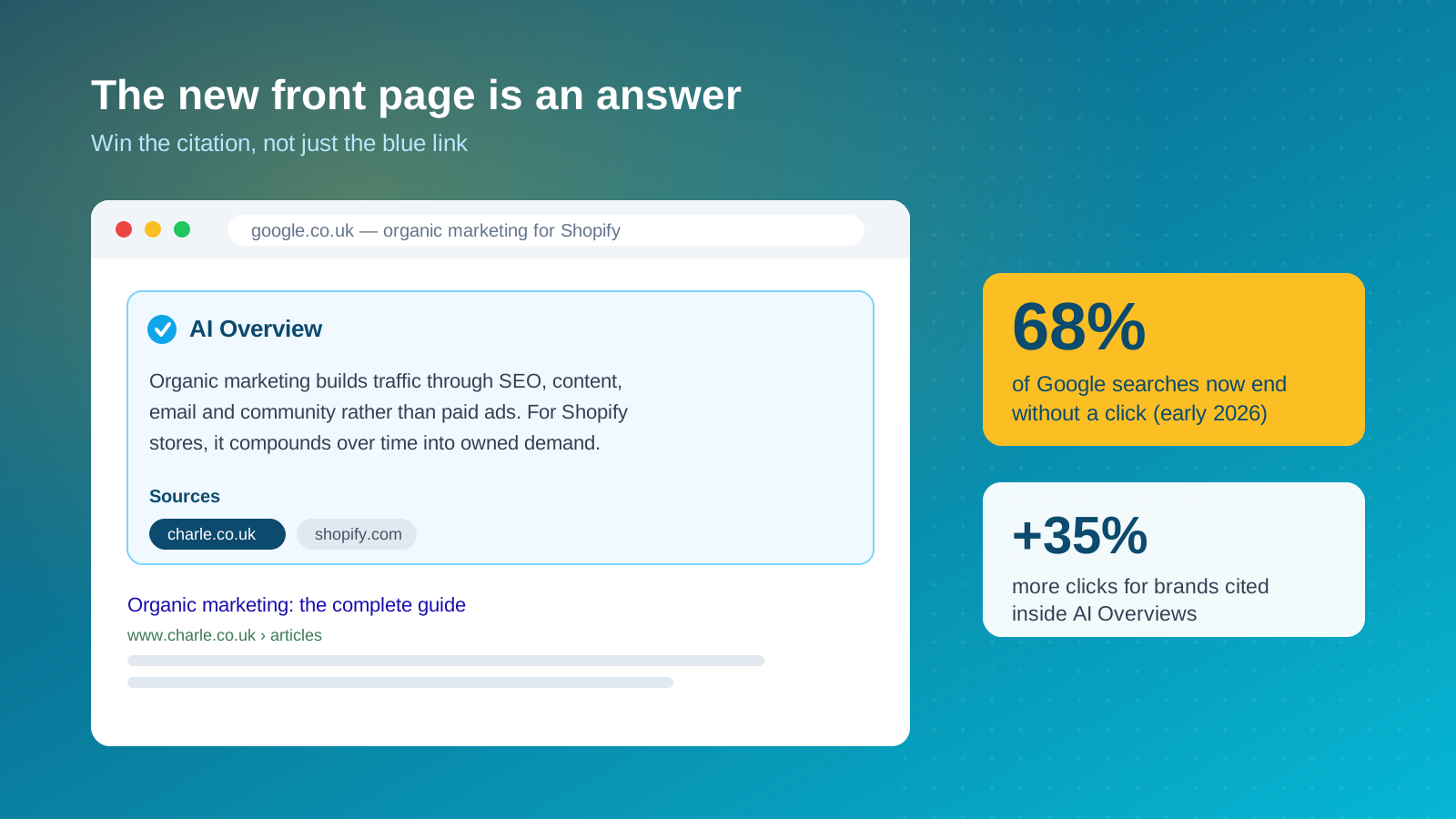
The biggest shift in organic marketing right now is the rise of AI search, and it changes the goal of the whole discipline. AI Overviews now appear on more than 20% of Google searches, and when they do, click-through rates can fall by close to 60%. Zero-click searches, where the user gets their answer without visiting any site, reached roughly 68% in early 2026.
That sounds like a threat, and for brands relying on thin content it is. But it also creates an opening. Brands cited inside AI Overviews earn around 35% more organic clicks than those that aren't, because being named as a source is the new top ranking. Optimising for this is sometimes called Generative Engine Optimisation, or GEO, and the fundamentals are within reach of any serious brand.
Write content that's easy for a machine to quote. Lead sections with clear, self-contained statements that answer the question directly, then support them with detail. AI systems pull standalone facts, so a sentence like "Organic marketing drives roughly 43% of ecommerce traffic" is far more citable than a vague claim about importance.
Define your terms and signal authority. Explain specialist concepts at first mention, reference credible sources, attribute genuine expertise, and keep your dates and statistics current. Freshness and clear authorship are exactly the signals answer engines lean on when deciding whom to trust. A strong FAQ section, written as complete questions and answers, is one of the most reliable ways to earn citations.
The brands that adapt fastest will treat AI search as the next era of organic marketing rather than the end of it. The work is the same work that has always paid off, accuracy, depth and trust, pointed at a new kind of reader.
How to Build an Organic Marketing Strategy
A strong organic marketing strategy is less about chasing every tactic and more about a focused, repeatable system. Here's the framework we use with Shopify brands.
Define your audience. Start with a clear picture of who you're trying to reach: their demographics, the problems they're solving, and where they spend time online. The sharper the definition, the easier it becomes to create content that genuinely resonates.
Set goals and KPIs. Decide what success looks like before you begin, whether that's organic traffic, email subscribers, revenue or citations in AI answers. Clear metrics keep effort focused and make it possible to judge what's working.
Do the keyword research. Identify the terms, topics and questions your audience actually searches, then map content ideas to them. Tools like Google Search Console show what already brings you traffic, which is the fastest place to find quick wins and spot a clear opportunity. Study competitor websites and the features of the pages that already rank to understand what good looks like, and let your audience's preferences guide which examples and angles you choose.
Create genuinely useful content. Produce pillar content that answers your audience's biggest questions thoroughly, and optimise it for both traditional and AI search. Quality and relevance beat volume every time, and the benefits compound when a single strong example earns links, citations and repeat visits.
Use a blend of channels. Combine SEO, content, email and social media so each reinforces the others and compounds your brand awareness. Promote new blog posts across every channel you own, and repurpose them so a single piece of work earns its keep many times over.
Measure and refine. Track performance, double down on what works, and update evergreen content regularly so it keeps ranking. Our Shopify SEO checklist is a useful companion for keeping the technical foundations in order, and our guide to technical SEO for ecommerce covers the infrastructure that lets organic content perform.
Signs It's Time to Evolve Your Organic Marketing
Organic marketing is never finished, because the channels keep changing underneath it. These are the signs we look for that a brand's organic approach has fallen behind:
- Your organic traffic and conversions are flat or declining month on month.
- You haven't published meaningful new content in the last six months.
- Your email open and click rates are sliding.
- Competitors are consistently appearing in AI Overviews and you aren't.
- Your social growth has plateaued and reach keeps shrinking.
- You rank for branded terms but little else.
If several of these ring true, the answer isn't to abandon organic marketing; it's to bring it up to the current era. That usually means refreshing your marketing strategies for AI search, tightening the emails and marketing tactics that nurture users, and reinvesting in the owned channels that compound. The brands that win bring clarity to their priorities, build the in-house skills to execute, and treat new challenges as a chance to sharpen their edge. Seen through that lens, the evolution of organic marketing makes plain sense: keep your best work in front of the right eyes, and the results follow. If you'd like expert help, our ecommerce SEO agency and SEO agency team work with ambitious Shopify brands every day. Get in touch to talk through your organic growth.